Service area / Northern Suburbs
Microcement in Melbourne's northern suburbs
Melbourne's northern suburbs combine period homes, busy shopping strips and plenty of creative hospitality. Microcement in the northern suburbs suits that mix, renewing wet areas and kitchens in older houses and giving cafés, bars and studios a continuous finish, from a quiet neutral to a saturated colour.
Local highlights
Period homes
In Victorian, Edwardian and interwar houses, microcement can renew wet areas and kitchens while the original rooms stay as they are.
Colour with intent
The Live collection runs from the terracotta of Arcilla and the orange-red of Valencia to the blue of Indico and the soft teal of Turquesa.
Hospitality fit-outs
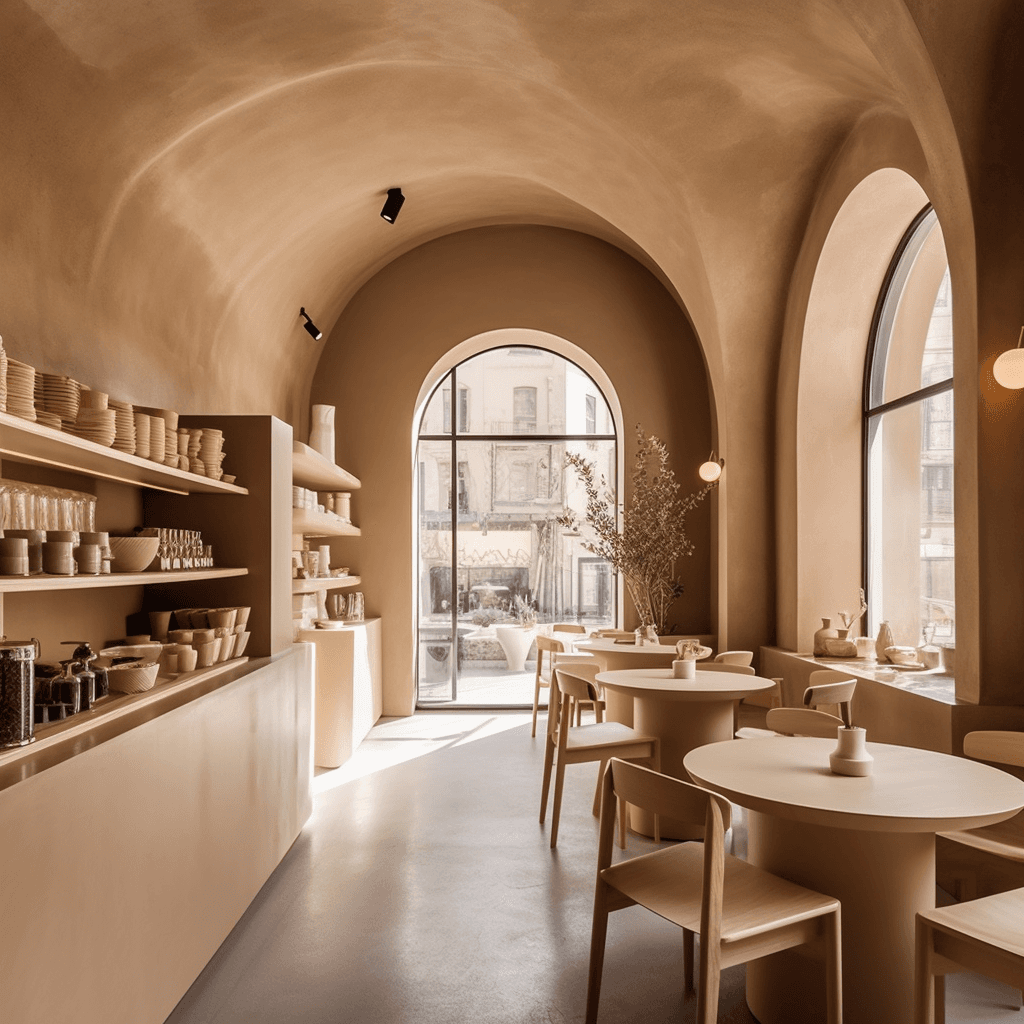
Counters, walls and floors can share one sealed surface, which suits cafés, bars and studios along the north's shopping strips.
Bushland homes
Around Eltham, timber and mudbrick houses call for careful substrate assessment, since natural wood isn't a suitable base.
Period homes and later extensions
Closer in, Brunswick East, Northcote, Thornbury, Fairfield and Ivanhoe have many Victorian, Edwardian and interwar houses, often with a newer extension at the back. Coburg, Preston, Reservoir and Heidelberg add interwar bungalows and post-war homes, while Mill Park, South Morang and Epping are largely more recent developments.
In an older house, the original rooms often have timber floorboards, which aren't a suitable base for microcement. The finish usually belongs in the wet areas, the kitchen and a rear extension built on a slab, where stable tiles, plaster, plasterboard and cement-based floors can take it.
That split can work in your favour. A continuous microcement floor in the extension gives the new part of the house its own calm identity, while the original rooms keep their character.
In the newer suburbs further north, such as Mill Park, South Morang and Epping, the starting point is different. Bathrooms and ensuites with firmly adhered tiles can often be finished over directly, and open-plan living areas typically sit on a concrete slab that suits a continuous floor.
Bolder microcement colours for the north
If you want colour to lead, start with the Live collection: Arcilla, Foresta, Indico, Kinoto, Lima, Turquesa and Valencia. They run from earthy terracotta and olive tones to blue, teal and vivid oranges, and they suit a powder room, a feature wall or a bar front where a neutral would feel too quiet.
Stronger colours need more care in planning. Look at samples in the light of the actual room, think about how the colour meets brick, timber and existing tiles, and decide early whether it belongs on walls, floors or both. The Oxid Metal finishes, including Brass, Bronze, Copper and Heavy Iron, add a metallic look for accent surfaces.
The sealer is part of the look too. As well as protecting the surface from wear, water and stains, it enhances the colour, which is worth remembering when you compare samples.
Screen colours vary, so treat online swatches as a starting point. Browse the full range on colours and textures, and see our guide to choosing a microcement colour before you settle on a shortlist.
Cafés, bars and studios on the north's shopping strips
High Street through Northcote and Thornbury, Lygon Street in Brunswick East and the centres of Preston and Coburg are lined with cafés, bars, studios and small shops. Many occupy older buildings, with fit-outs that need to happen quickly and without heavy demolition.
Microcement suits these spaces because counters, walls and floors can share one continuous surface that resists wear, knocks and scratches once sealed and is quick to wipe down. It can be applied over many existing substrates, and application is quicker and less disruptive than many traditional renovations. See microcement for commercial spaces for more.
Eltham and the leafy north-east
Around Eltham, Greensborough and Rosanna, many homes sit among trees, and Eltham is well known for its mudbrick and timber houses. Natural wood isn't advised as a substrate for microcement, and mudbrick isn't one of the standard substrates, so each surface needs individual assessment.
In these homes, microcement often makes most sense in bathrooms, kitchens, laundries and new additions, where the substrates are more conventional. It can bring a calm, continuous surface to those rooms without asking the rest of the house to change.
To get started, share the project address, photos and any plans through the contact page, along with the colours you're drawn to. If you're considering a strong colour, it's worth seeing the physical sample in the room before you commit.
Northern Suburbs
Local questions.
01Do you install microcement in Northcote, Preston and the wider north?
Yes. We service Melbourne and beyond, including the northern suburbs out to Epping and Eltham. Add the project address to your enquiry so the site assessment can be scheduled.
02Which microcement colours work for a bold feature wall?
The Live collection is a good place to start for stronger colour, with shades such as Arcilla, Indico, Kinoto and Turquesa, and the Oxid Metal finishes offer a metallic alternative. Saturated colours shift with light, so compare physical samples in the room before deciding.
03Is microcement practical for a café or bar counter?
It can be. A sealed microcement counter resists wear, knocks and scratches, and without joints it's simple to clean. The counter's use, cleaning routine and sealing are discussed before a finish is recommended.
Across Melbourne
Other areas.
- 01Inner MelbourneMelbourne CBD, Carlton, Fitzroy, Collingwood
- 02Eastern SuburbsKew, Hawthorn, Camberwell, Canterbury
- 03Knox & Dandenong RangesFerntree Gully, Upper Ferntree Gully, Boronia, Bayswater
- 04South EastOakleigh, Clayton, Mulgrave, Wheelers Hill
- 05BaysideElwood, Elsternwick, Brighton, Hampton
- 06Western SuburbsFootscray, Seddon, Yarraville, Kingsville
- 07Mornington PeninsulaFrankston, Mount Eliza, Mornington, Mount Martha