The material
Microcement: a thin finish with a lot beneath it.
Microcement is a hand-applied surface system. Its result depends on the substrate, preparation, selected finish and sealer working together.

What it is
A cement-based coating for almost any surface.
Microcement is a polymer-modified cement-based coating used for both interior and exterior applications. It is highly appreciated in the construction and design industries for its versatility and aesthetic qualities. Its primary components include a blend of cement, water-based resins, additives and mineral pigments, which together create a material that can adhere to almost any type of surface, including floors, walls, ceilings and furniture.
Applying microcement creates a smooth, seamless surface, eliminating the joints or breaks typical of traditional flooring and wall coverings. This continuity offers a sleek, modern look and can help create visually larger, unified spaces.
Available in a variety of colours and textures, microcement can be customised to match many designs or decor styles. From matte to glossy finishes and rough to smooth textures, the design possibilities are extensive.
Despite its thin application of around 2-3 mm, microcement is notably durable and resistant to wear and tear, making it a viable choice for high-traffic areas. Its low thickness also adds little weight or load to a building's structure.
- Thickness
- 2–3 mmLow added weight or load on the structure.
- Surfaces
- 4Floors, walls, ceilings and furniture.
- Settings
- In & outInterior and exterior, vertical and horizontal.
- Finishes
- 45From matte to glossy, rough to smooth.
Where it can go
Start with a sound substrate.
The key requirement is that the substrate is stable, level, free of dirt and has a humidity level below 5%. Suitability is always confirmed after reviewing the actual surface.
Suitable substrates
- Cement mortar
- Self-levelling mortar
- Terrazzo
- Marble
- Tile
- Plaster
- Plasterboard
- Metal
Not advised
- Natural wood
- Substrates made from pieces that may expand at different rates
Conditions to confirm
- Stable and level
- Free of dust, grease and old paint
- Humidity below 5%
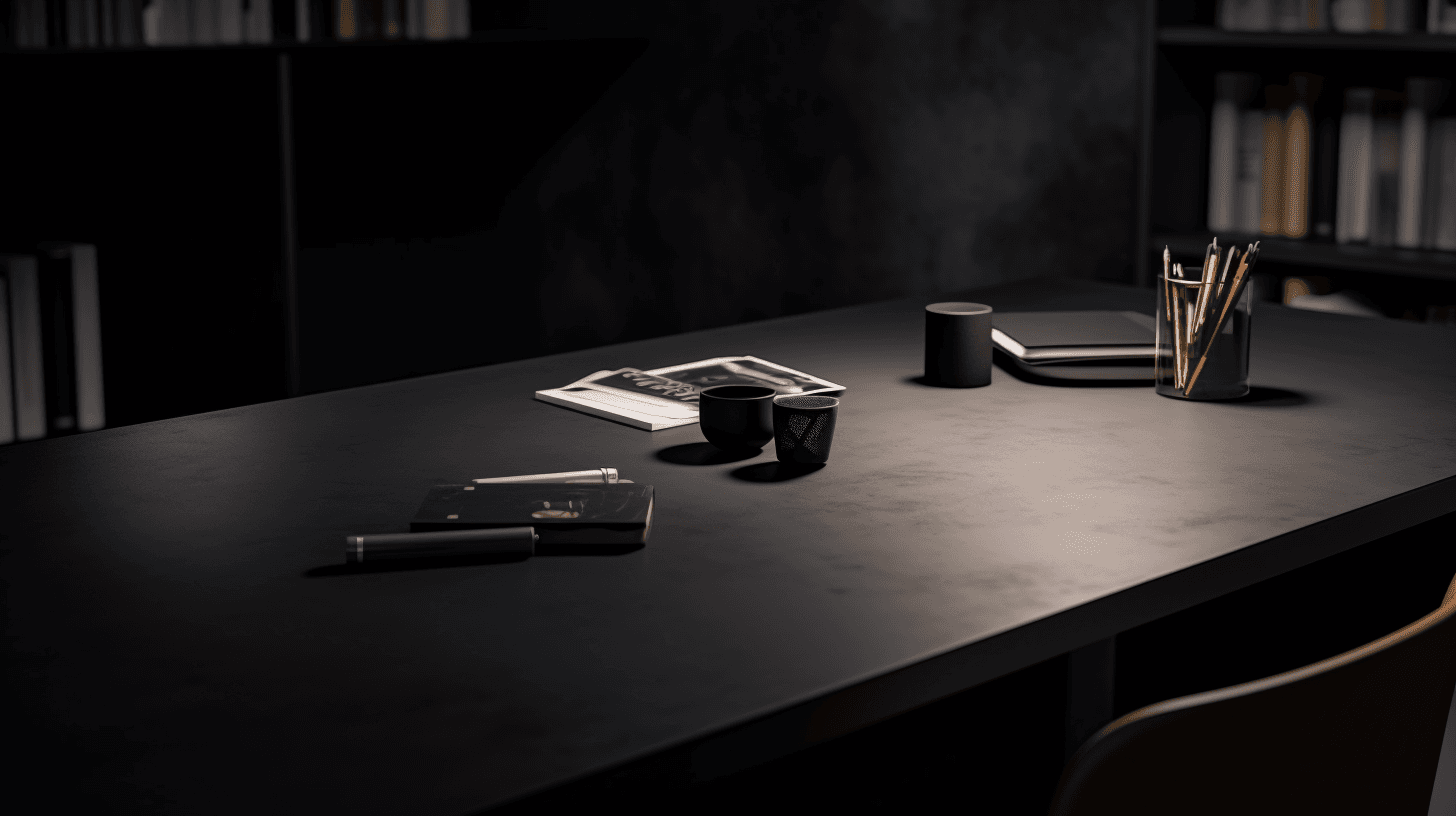 Inspiration image
Character
Made by the hand, read by the light.
Trowel movement, colour, sheen and changing daylight all affect how the completed finish is perceived. Samples should be reviewed in context.
Advantages
Why it works.
The practical reasons microcement is chosen for homes, workplaces and hospitality interiors.
Versatility
It can be applied to nearly any suitable substrate and to vertical and horizontal surfaces, including floors, walls, ceilings and furniture.
Aesthetic appeal
It offers a sleek, modern look with a wide range of colours and finishes.
Seamless finish
It creates a continuous, joint-free surface.
Durability
It resists traffic, knocks, scratches and chemicals, making it suitable for high-traffic areas.
Water resistance
With a suitable sealer, it can become water-resistant.
Low thickness
At 2-3 mm, it does not significantly affect a building's structural load.
Eco-friendly
Microcement is made from natural materials, making it a sustainable choice.
Easy maintenance
It is easy to clean and maintain and provides a germ and bacteria-resistant surface.
Quick installation
Application is quicker and less disruptive than many traditional renovations, with no rubble or major construction work required.
The system
Seven layers, one surface.
Every visible layer is applied and refined by hand. Variation is part of the finish, but the preparation and system behind it need to be controlled.
- 01
Existing surface
- 02
Primer
- 03
First base layer
- 04
Second base layer
- 05
First finishing layer
- 06
Second finishing layer
- 07
Sealer
Comparison
Microcement vs polished concrete.
Both suit modern, minimal interiors, but they are very different materials to specify and install.
| Consideration | Microcement | Polished concrete |
|---|---|---|
| Thickness and weight | A coating around 2–3 mm thick with minimal added weight. | A heavy, thick concrete layer that is ground and polished. |
| Application | Floors, walls and furniture, indoors and outdoors. | Mainly floors, suited to large open spaces. |
| Seamless surface | A continuous surface without joints. | Often needs expansion joints and can show cracks if the slab moves. |
| Flexibility | More flexible, reducing the risk of cracking from minor movement. | Less forgiving of substrate movement. |
| Customisation | A wide range of colours and textures. | Appearance depends largely on the aggregate in the mix. |
| Installation | Generally quicker to apply and dry, which suits renovations. | Longer to install and cure. |
01How does microcement withstand exposure to water?
Microcement itself is not waterproof. However, when a proper sealer is applied as the finishing layer, it becomes water-resistant. With appropriate finishing, microcement can be used effectively in bathrooms, kitchens and other areas exposed to water or humidity.
02What is the typical duration of the microcement application process?
The application process typically takes 5 to 7 days, depending on the project's size and complexity. This includes surface preparation, multiple microcement layers and final sealing.
Microcement continues to harden and gain full strength over several weeks after application. Take care with the surface during the first week after completion while it develops its full hardness and resistance.
03How much does microcement cost?
Luxury Concrete's microcement application generally ranges from $160 to $300 AUD per square metre, including materials and labour. The exact cost varies with the substrate's condition, the complexity of the work and other project requirements.
Purchasing microcement material alone typically ranges from $40 to $50. Contact Luxury Concrete for a more precise quote.
04Will microcement crack?
Microcement is designed to be durable and flexible, making it resistant to cracking under normal conditions. When professionally applied to a stable, suitable substrate and properly maintained, it should not crack.
Like any material, it may crack if the substrate moves significantly, the building shifts, it experiences extreme physical stress or it is applied incorrectly. The substrate should be stable before application, and the finished microcement should be properly sealed and maintained. Luxury Concrete microcement products come with warranties for added peace of mind.
Go deeper
Guides for your project.
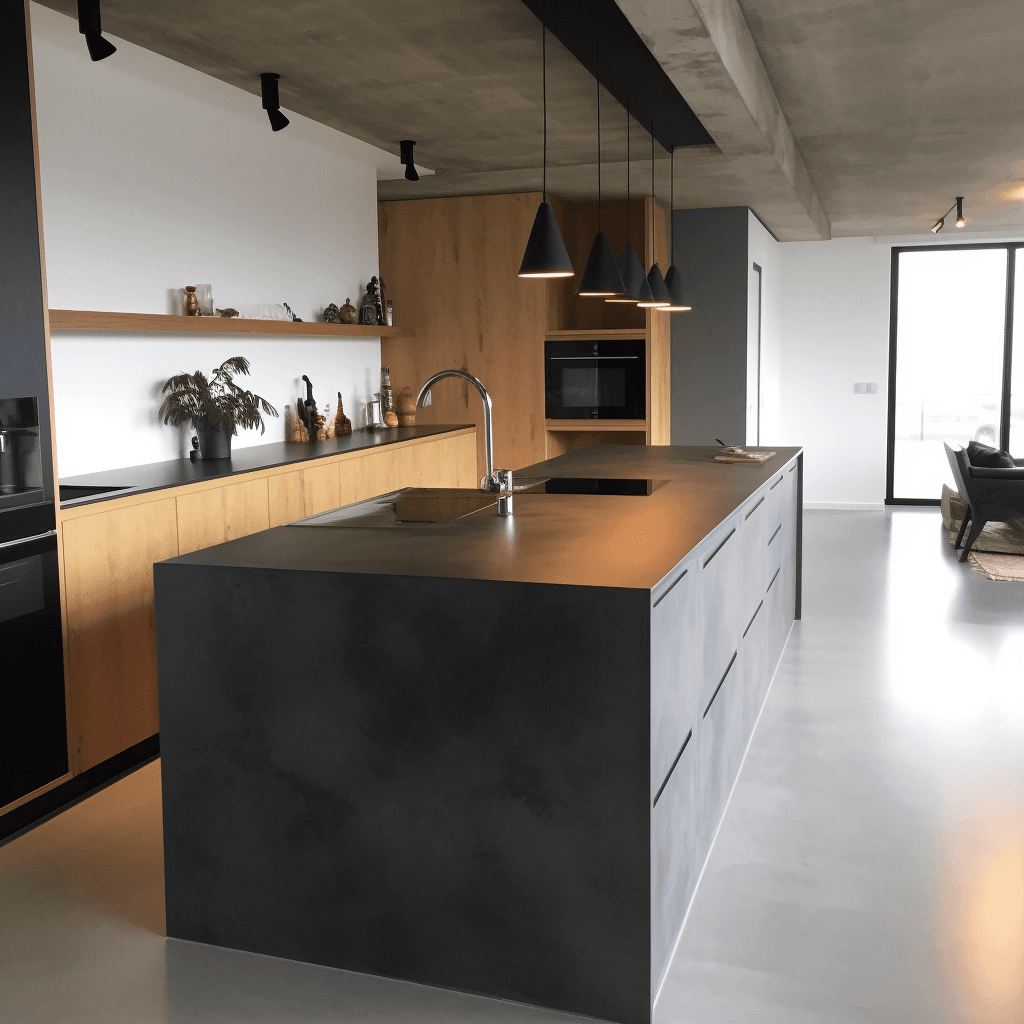
How much does microcement cost in Melbourne?
Installed microcement generally ranges from $160–$300 AUD per square metre. Here is what moves a project within that range, and what to send for an accurate quote.
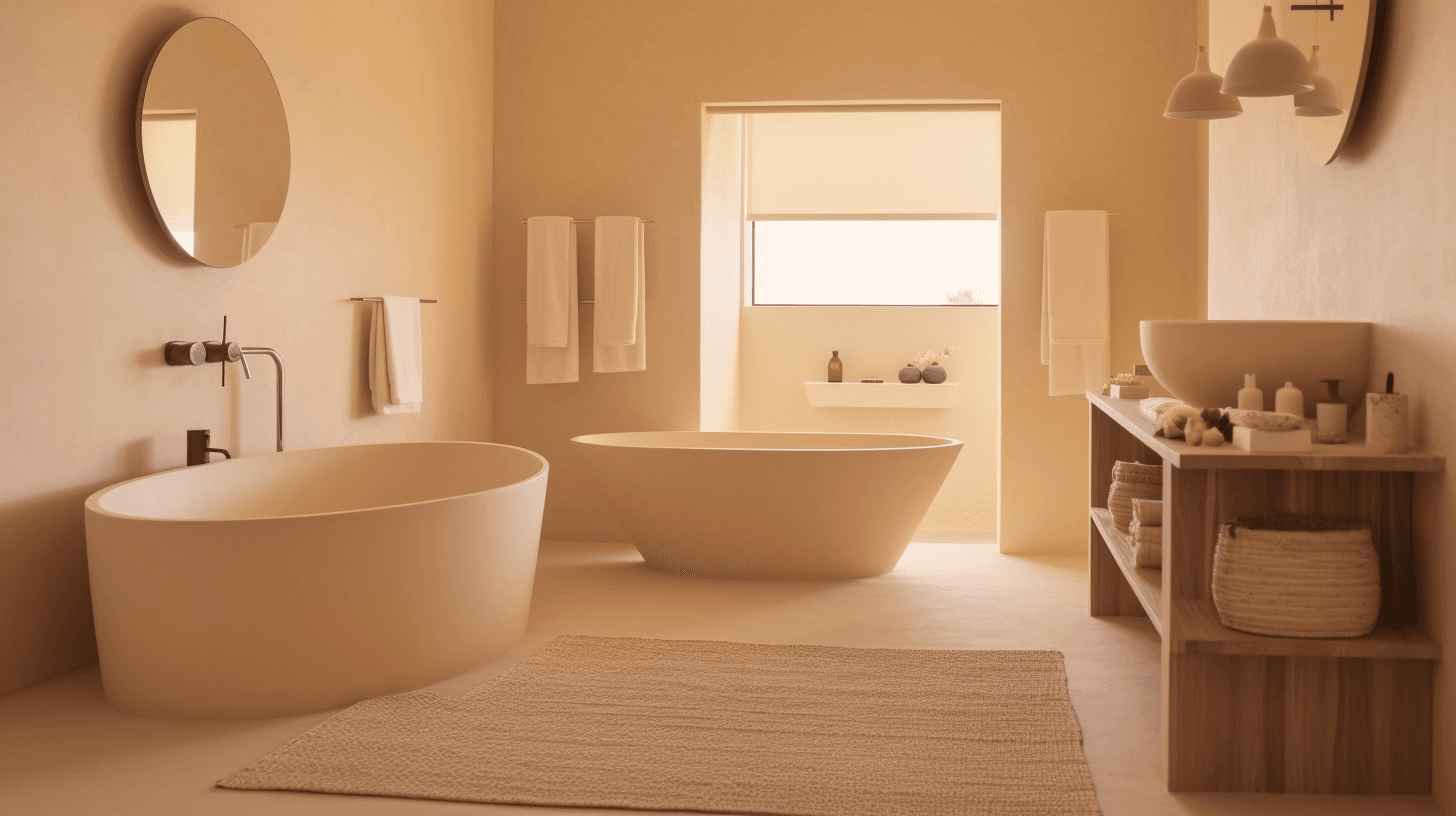
Microcement vs tiles: a practical comparison
Tiles are the familiar choice for bathrooms and kitchens. Here is how a seamless microcement finish compares on cleaning, cost, durability, design and timing.
Is microcement waterproof? Sealing, wet areas and care
Microcement is water-resistant once correctly sealed, but it is not a waterproofing membrane. Here is what that means for bathrooms, showers, kitchens and laundries.