Spaces
Microcement bedrooms
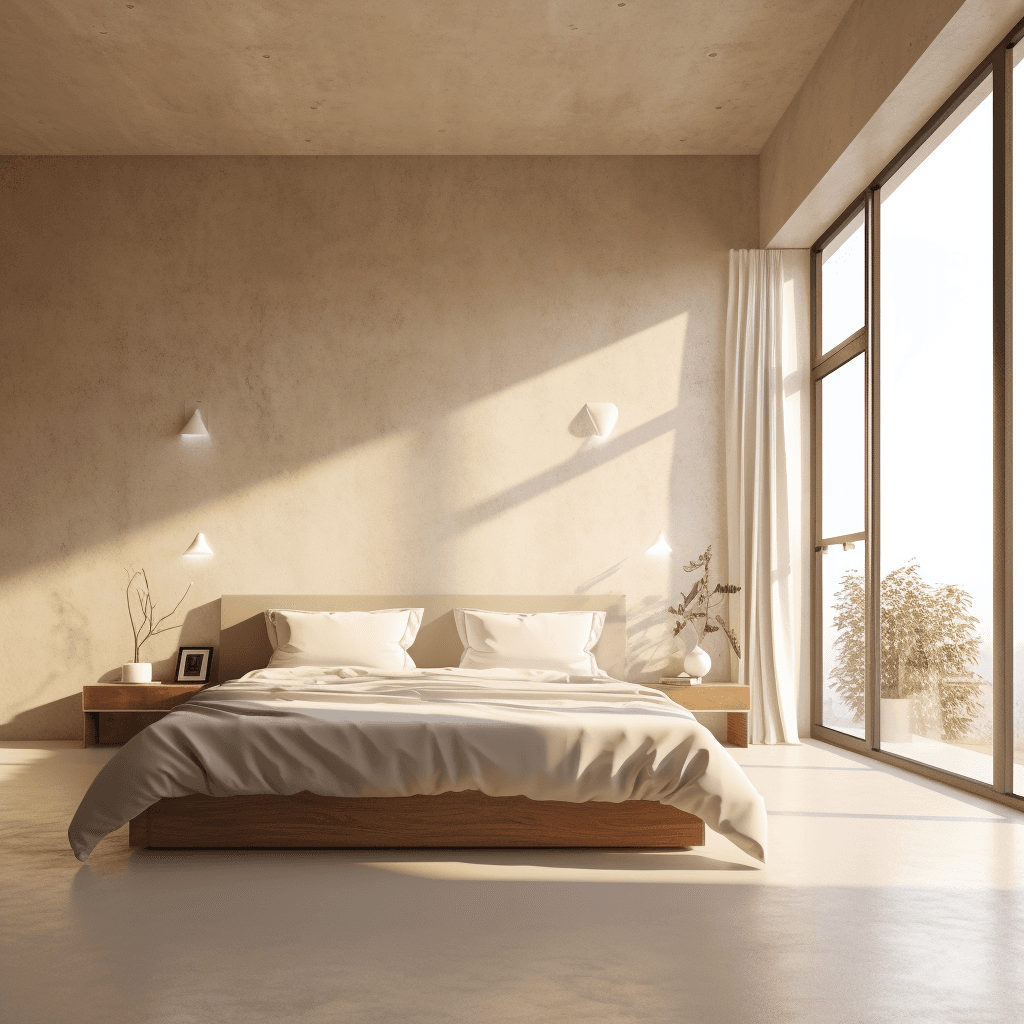
In bedrooms, a continuous microcement surface supports a quiet, uncluttered interior without adding decorative noise.
In context
The application in context.
Microcement is perfect for bedrooms. With its neat, easy-to-clean surface, it helps create a peaceful, uncluttered space. Its simple design brings a touch of modern tranquillity to the room.
Quiet, continuous surfaces
With no joints or repeating pattern, walls and floors recede, which suits a room designed for rest.
Texture without pattern
Hand-trowelled movement gives a wall gentle depth in morning and evening light, without the repetition of wallpaper or tile.
Comfortable with underfloor heating
Hard floors can feel cool underfoot, so bedrooms are a natural place to combine microcement with underfloor heating, following the correct protocol.
Simple to keep clean
A sealed, seamless floor is quick to vacuum and damp-mop, with no carpet fibres or grout lines to hold dust.
 Inspiration image
Why microcement suits bedrooms
A microcement bedroom relies on restraint. The finish is continuous and softly varied, so a wall or floor reads as one calm plane rather than a collection of boards, tiles or seams. That leaves bedding, timber and textiles to carry the character of the room.
Because the finish is thin, it also suits renovation. At 2–3 mm, it can often be applied over a suitable existing surface without noticeably raising the floor at the doorway, and without the upheaval of removing old tiles.
Where to use it in a bedroom
Bedroom applications tend to be selective rather than wall-to-wall. Common choices include:
- a bedhead wall, finished in one tone so the bed becomes the focal point;
- the floor, sometimes with underfloor heating beneath it;
- built-in pieces such as floating shelves, window seats or bedside ledges made from a suitable substrate;
- an ensuite threshold, where the bedroom floor can continue into the bathroom.
Carrying one finish from the bedroom into an ensuite creates a quiet transition. The microcement bathrooms page explains how the wetter room is planned.
Built-in pieces work best when they read as part of the architecture. A floating ledge or window seat in the same finish as the wall looks deliberate rather than added, and the microcement furniture page explains which substrates suit.
Substrates and preparation
Bedroom walls are usually plasterboard or plaster, and both can be suitable once they are stable and clean. Floors may be cement mortar, self-levelling mortar or existing tiles. Timber floorboards are not advised, and nor is any base assembled from parts that expand at different rates, because movement below can show as cracking above.
Each surface is checked for level and for humidity below 5% before primer goes on. The full sequence, from preparation and primer through two base layers, sanding and two finishing layers to sealing and polishing, is set out on the process page. If you are planning a heated floor, read the underfloor heating guide first.
Colour and texture for a microcement bedroom
Bedrooms are seen mostly in soft morning light and warm evening lamplight, so gentle, low-contrast colours tend to work best. Alaska and Lino are quiet off-whites, Nacar carries a faint blush, Gris offers a cool pale grey, and Mocha brings a gentle, warm taupe.
A matte sheen keeps reflections low, and a finish with subtle trowel movement adds depth without distraction. Consider where lamps and wall lights will sit, too, because light grazing a textured wall draws out its movement. The guide to choosing a microcement colour explains how light, sheen and texture change the result.
Care and comfort
Care is simple: vacuum or dust-mop regularly and damp-mop floors with a pH-neutral cleaner. Fit felt pads under the bed frame and bedside furniture so they can be moved without marking the floor, and wipe up spilled drinks or cosmetics before they have time to sit on the sealer.
If the floor is heated, keep thick rugs and furniture without space beneath it from trapping heat, and change the temperature gradually at the start and end of each heating period.
Colour direction
Finishes to start with.
A starting palette for bedrooms. Compare physical samples in your own light before deciding.
Browse every finish




01Will a microcement floor feel cold in a bedroom?
Like tile or stone, microcement is a hard surface, so it can feel cooler underfoot than carpet. Underfloor heating is one way to address this, and it is compatible with microcement when the heating protocol is followed.
02Can I use microcement on the wall behind the bed?
Yes. A bedhead wall is a straightforward vertical application, typically over plasterboard or plaster that is stable and dry. Leave a small gap or fit protective pads so the bed frame does not rub against the finish.
03Can the bedroom floor continue into the ensuite?
It can, provided each substrate is suitable. The ensuite needs a sealer suited to wet use, and any waterproofing required there is for your builder or the relevant professional to confirm.
Keep exploring
Related applications.
 Inspiration image
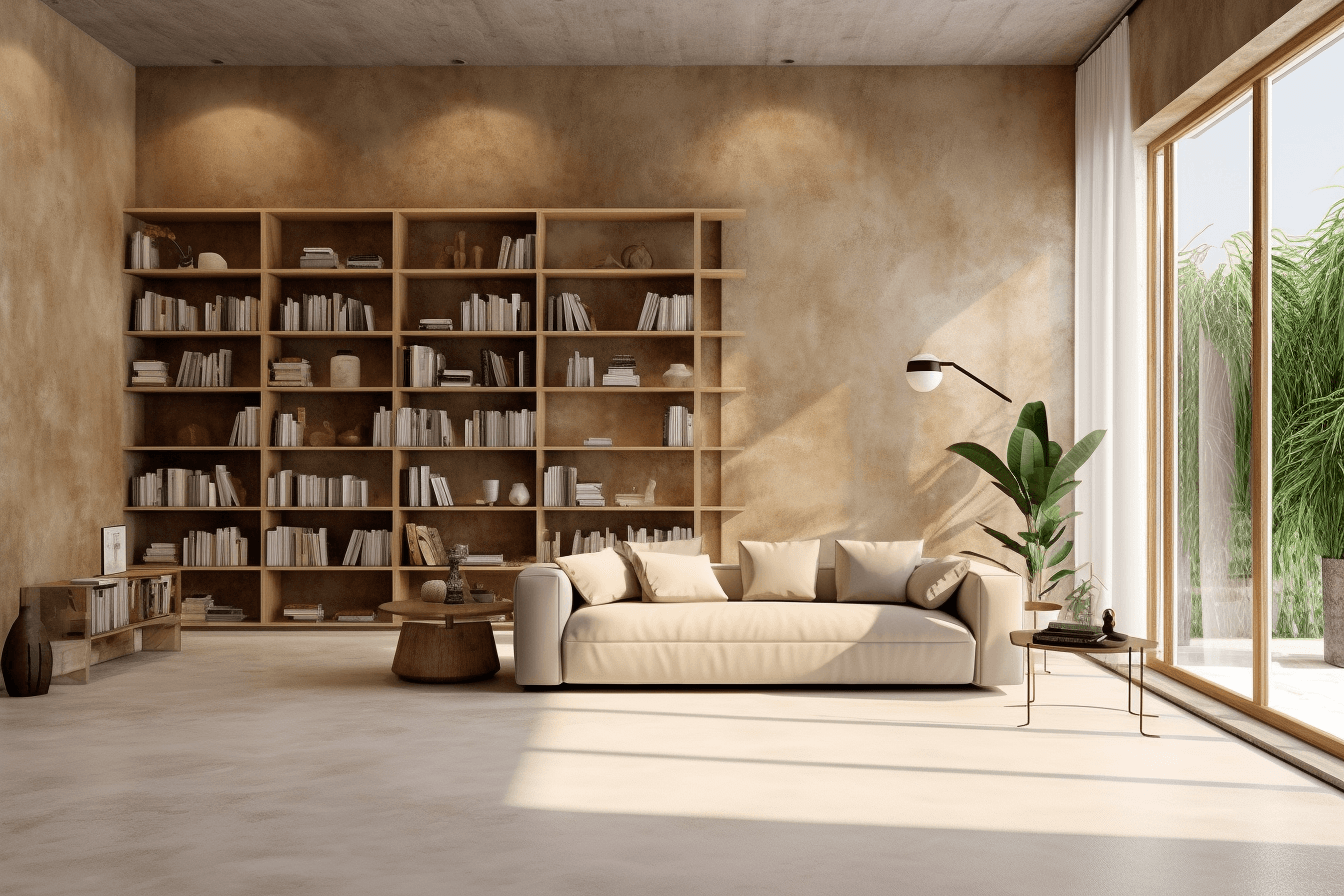
Microcement walls wrap a room in one continuous, hand-finished surface, from a single wall to every vertical plane, including curves and reveals.
 Inspiration image
A microcement floor carries one continuous, sealed surface from room to room while adding only a few millimetres to the existing level.
 Inspiration image
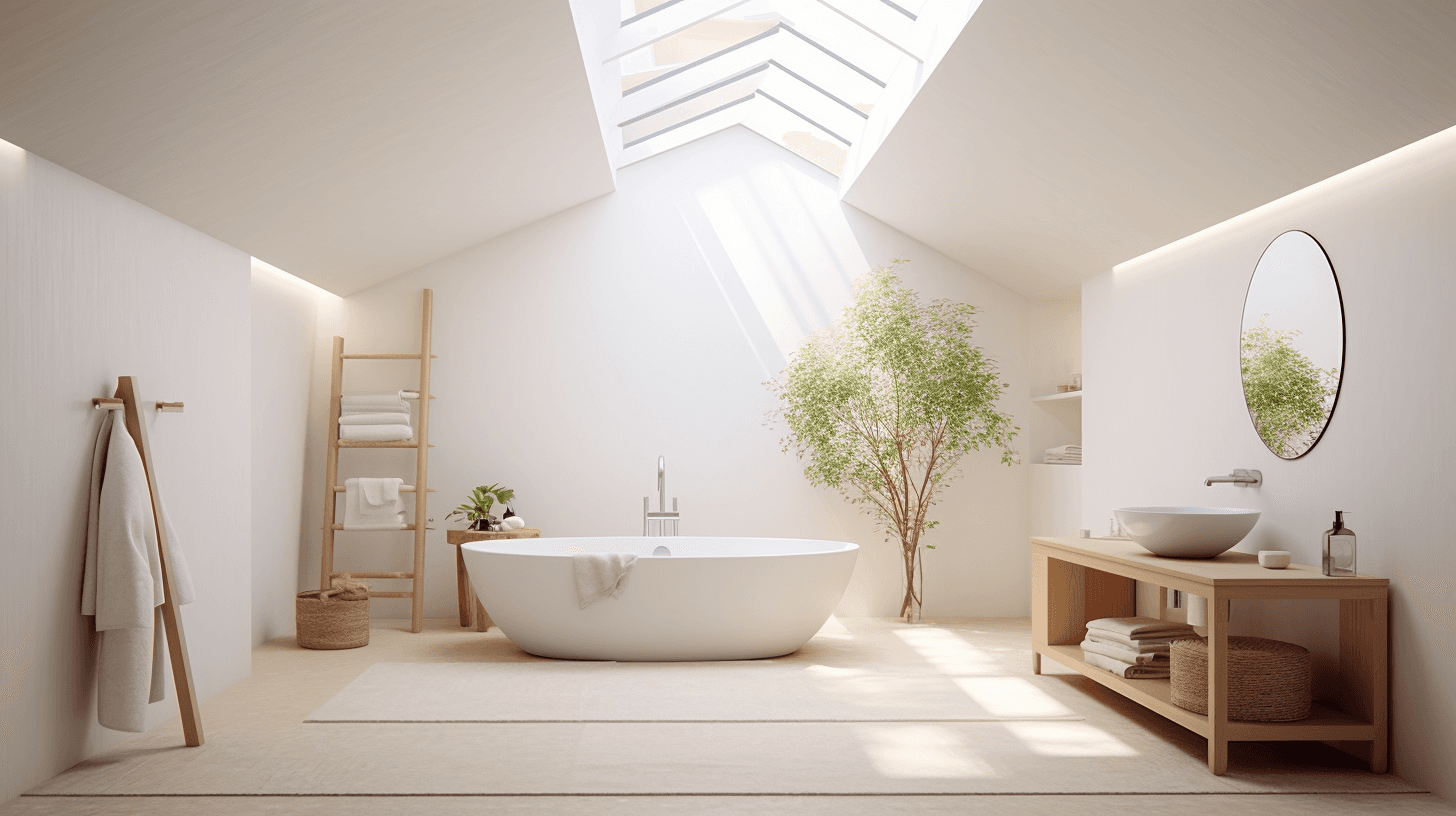
Bathroom renovations can retain suitable existing tiles while replacing grout-heavy visual breaks with a continuous, sealed surface.