Surfaces
Microcement showers
A microcement shower carries the bathroom's floor and wall finish into the wettest zone, without grout lines interrupting the surface.
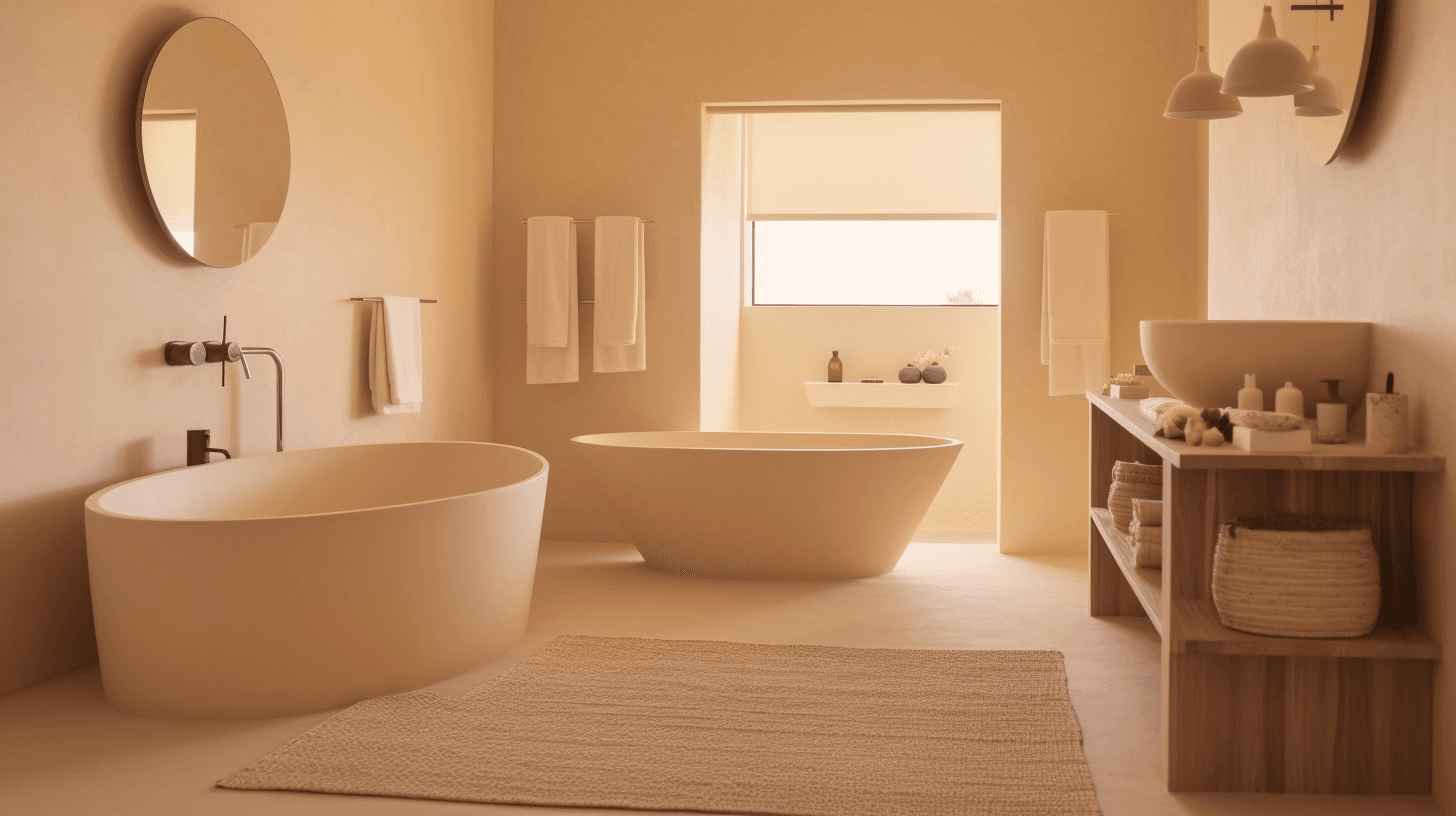
In context
The application in context.
Sealed microcement is water-resistant, but it is a finish rather than a waterproofing membrane. The waterproofing, falls and drainage beneath it are matters for your builder or the relevant professional, and slip resistance is considered for each project. With those foundations in place, walls, floors, niches and hobs can share one continuous surface.
No grout in the wet zone
Showers are where grout lines are hardest to keep clean, and a continuous sealed surface does away with them.
Part of the room, not a box
The shower walls and floor can match the rest of the bathroom, so the shower reads as part of the room rather than a separate tiled enclosure.
Niches and hobs without joins
Built-in niches, ledges and hobs can be finished in the same material, with continuous edges and corners.
Water-resistant once sealed
The sealer makes the finish water-resistant, while waterproofing beneath it is a separate system confirmed with your builder.
 Inspiration image
Is microcement suitable for showers?
Microcement showers are achievable, but they need to be planned in the right order. On its own, microcement is not waterproof. Once a suitable sealer is applied it becomes water-resistant, which is what allows it to be used in bathrooms and other wet areas.
The essential distinction is between finish and waterproofing. Microcement is the visible finish; it is not a waterproofing membrane. Waterproofing, falls to the waste and drainage are separate elements that your builder or the relevant professional confirms before any microcement is applied. The guide is microcement waterproof? explains the difference.
What can be finished in a shower
Most parts of a shower can share the finish:
- Shower walls, to full height or to a set line.
- Shower floors, continuing the finish of the bathroom floor.
- Niches and ledges, for a built-in look without tile trims.
- Hobs and bench seats, with softened or crisp edges.
Plan the positions of glass screens, tapware and the waste early, and agree with your builder which items are fitted before the finish and which after. A shower is one part of a larger room: the microcement bathrooms page covers the wider space, and the bathroom renovation guide sets out the planning sequence.
Substrates and preparation
Existing tiled showers can be suitable if the tiles are firmly adhered and stable, which avoids stripping the room back. Cement mortar and self-levelling mortar are other suitable bases. Every surface also has to be clean and level, with humidity below 5%, so an existing shower needs time to dry out before work begins.
If there is any doubt about the waterproofing behind existing tiles, resolve it before the new finish goes on, since microcement will not fix a failed membrane. Our guide to coating existing tiles explains how tiled surfaces are assessed.
Finish, colour and slip
Colour choice in a shower is also practical. Very dark colours tend to show water spots and soap residue more readily, so soft tones such as Alaska, Gris, Plomo, Gris-liquen and Nacar are forgiving choices that still look considered.
On the floor, texture and sealer change how the surface feels when wet. The slip resistance a shower floor needs is decided for each project with the builder or relevant professional, and the finish is chosen with that requirement in mind rather than on looks alone.
Cleaning a microcement shower
A quick squeegee or wipe-down after showering reduces water spotting and residue build-up. Clean weekly with a pH-neutral product, and avoid bleach, abrasive pads and strong acidic limescale removers, which can wear the sealer. Keep the room well ventilated, and maintain the sealer over time so the shower stays water-resistant; the maintenance guide has more detail.
Colour direction
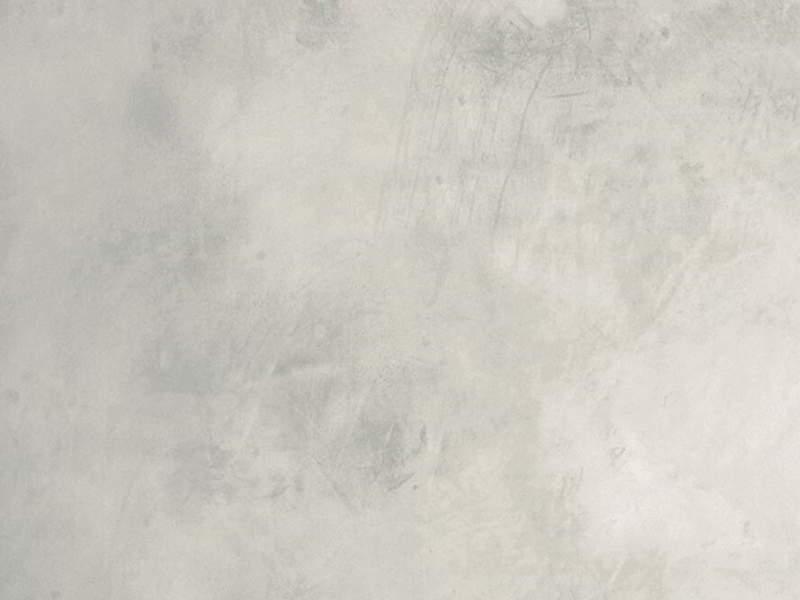
Finishes to start with.
A starting palette for showers. Compare physical samples in your own light before deciding.
Browse every finish



01Do I still need waterproofing under a microcement shower?
Yes. Microcement is a finish that becomes water-resistant when sealed; it is not a waterproofing membrane. The waterproofing system, falls and drainage need to be in place and confirmed by your builder or the relevant professional first.
02Can a tiled shower be converted without removing the tiles?
Often, if the tiles are firmly adhered and stable and there are no concerns about the waterproofing behind them. The shower also needs to dry out so the substrate is below 5% humidity before primer is applied.
03How soon can I use the shower after application?
Application typically takes 5–7 days, and the finish continues to harden over several weeks. When the shower can return to use depends on the sealer and site conditions, and gentle use during the first week protects the finish while it hardens.
Keep exploring
Related applications.
- Inspiration image
Bathroom renovations can retain suitable existing tiles while replacing grout-heavy visual breaks with a continuous, sealed surface.
 Inspiration image
Microcement walls wrap a room in one continuous, hand-finished surface, from a single wall to every vertical plane, including curves and reveals.
 Inspiration image
Microcement gives kitchen benchtops, islands and bathroom vanities a seamless, hand-finished surface, and suitable existing benchtops can be coated in place.