Spaces
Microcement offices
For busy offices, microcement combines a durable, easy-care surface with a restrained contemporary finish.
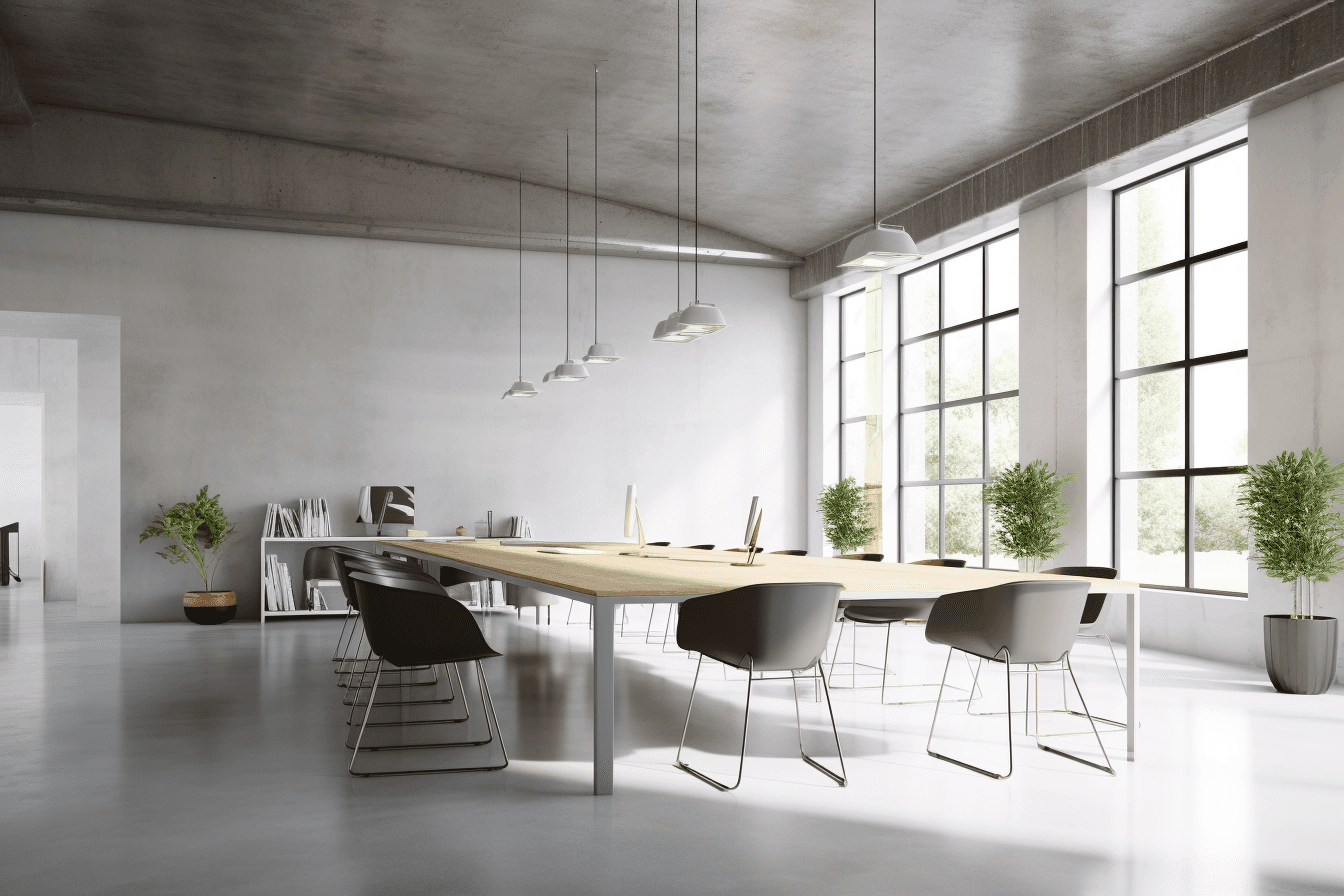
In context
The application in context.
Microcement is an excellent choice for offices. Its seamless surface is simple to clean and more durable than regular paint, making it practical for a busy workspace. The sleek finish adds a sophisticated, contemporary touch, with a range of colours and finishes to reflect your style.
Suited to high-traffic floors
Sealed microcement is made for busy areas, handling daily foot traffic and the knocks of a working environment.
Quick to keep presentable
A continuous surface without grout lines is fast to clean with a mop and a pH-neutral product, which suits a regular cleaning schedule.
A light-touch refit
The 2–3 mm build-up adds minimal weight and height, which helps when an existing tenancy is being refreshed rather than rebuilt.
A calm backdrop for work
Restrained greys and warm stone tones let furniture, signage and people take the foreground, with room for a stronger colour on a single wall.
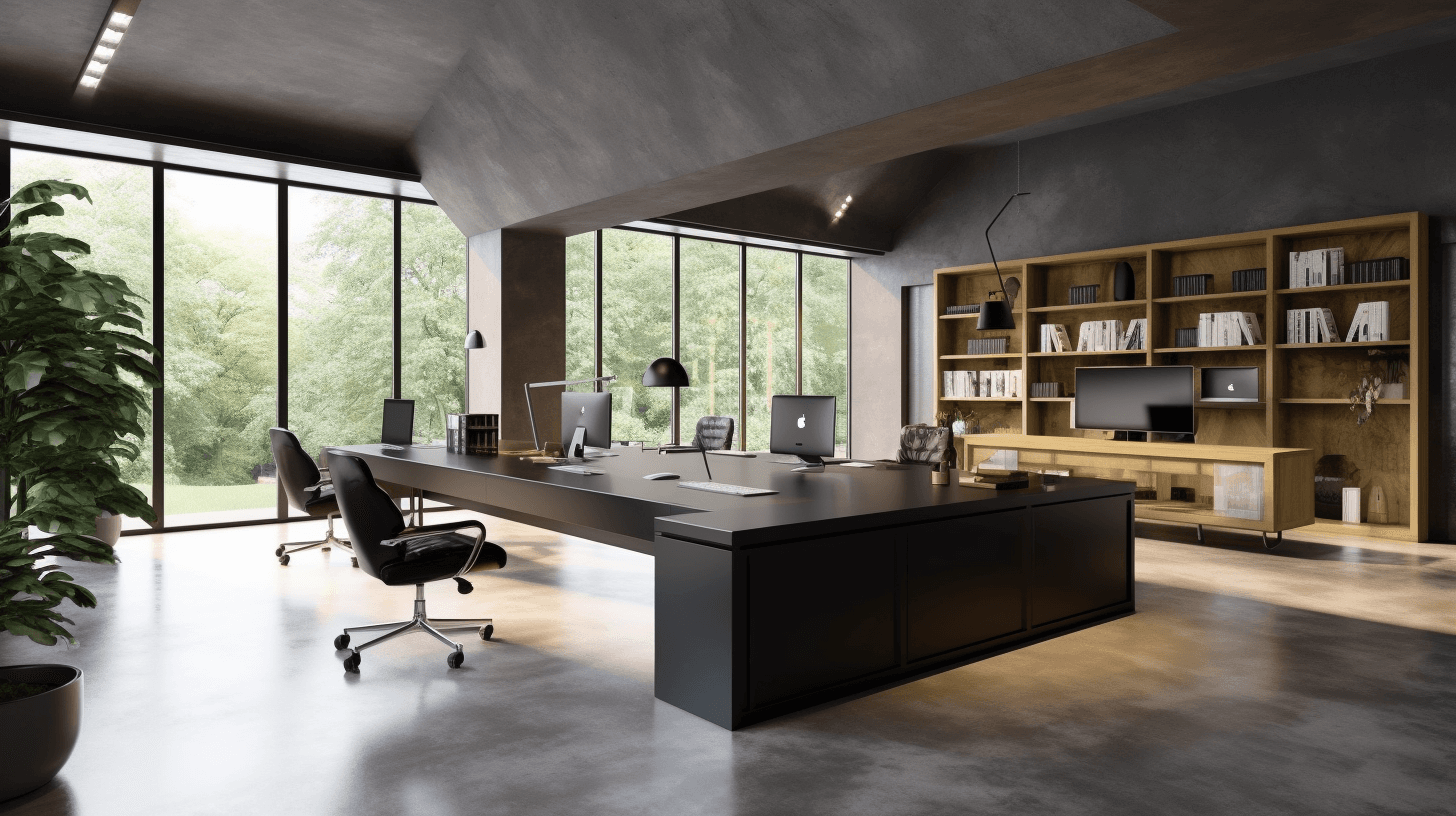 Inspiration image
Why microcement works in offices
Microcement offices pair a hard-wearing floor with walls that feel considered rather than corporate. The finish is hand-trowelled in thin layers, so reception, meeting rooms and open-plan areas can share one continuous surface without the visual noise of tile joints or carpet seams.
For a business, the practical case matters as much as the look. The surface is suited to high-traffic areas, it is straightforward to clean, and because it can often go over a sound existing floor, the work involves less demolition than replacing the floor outright. It also gives the tenancy one consistent material thread, from the front door to the last meeting room.
Planning floors, walls and joinery
Start by mapping how people move through the space. Entries, corridors and kitchenettes take the most wear, while reception and meeting-room walls are what visitors notice. Typical office applications include:
- reception floors and counters, where first impressions are formed;
- meeting-room and boardroom walls;
- open-plan floors that link several work zones;
- kitchenette splashbacks and benches, sealed for frequent wiping.
Office chairs deserve a specific mention. Hard castors concentrate weight on a small point, so soft castors or chair mats under desks are a sensible precaution for the sealer.
Hard, continuous surfaces also reflect more sound than carpet. In open-plan areas and meeting rooms, plan for rugs, upholstered furniture or acoustic panels alongside a microcement floor so the space stays comfortable to work in.
Substrates, timing and disruption
Office floors are often cement-based, such as a screed or self-levelling mortar, or existing tiles, and walls are commonly plasterboard or plaster. All can be suitable once confirmed stable, level, clean and below 5% humidity. Carpet, vinyl and other loose or flexible coverings are removed first, because microcement needs a rigid, bonded base.
Application typically takes 5–7 days depending on size and complexity, and the surface continues to harden for several weeks. In an occupied workplace, that shapes the schedule: work areas may need to be sequenced, and light use in the first week protects the new finish. Our process sets out the eight steps from preparation to polishing, and the timing guide explains where the days go.
Finish direction and upkeep
Most offices suit a restrained palette. Plomo and Aluminium give a soft concrete character, Gris Marengo and Graphite suit darker, more focused rooms, and Cacao warms a space dominated by glass and steel. A matte sheen tends to reduce glare under strong overhead lighting. Compare physical samples under the office's own lighting, and send an enquiry before committing a colour to a whole floor.
Daily care is a dry mop or vacuum followed by a damp mop with a pH-neutral cleaner. Entrance mats catch grit before it reaches the floor, and avoiding bleach, harsh degreasers and abrasive pads protects the sealer, which can be maintained over time as part of building upkeep.
For larger fit-outs, the guide to microcement for commercial interiors covers planning in more depth, and the commercial spaces page looks at cafes, salons and retail.
Colour direction
Finishes to start with.
A starting palette for offices. Compare physical samples in your own light before deciding.
Browse every finish




01Can microcement be installed while the office is operating?
It depends on the layout and how much of the space must stay in use. Application typically takes 5–7 days with drying time between layers, so access, zoning and timing are discussed before the schedule is set.
02Is microcement suitable under office chairs with castors?
Sealed microcement is durable, but hard castors concentrate weight on a small area and can wear the sealer over time. Soft castors or a chair mat under each desk are a simple way to protect the floor.
03Can microcement go over the existing office floor?
If the existing floor is rigid, stable and level, such as tiles or a cement-based screed, it can often serve as the substrate. Carpet, vinyl and other soft or loose coverings are removed first, and the base is checked for humidity below 5%.
Keep exploring
Related applications.
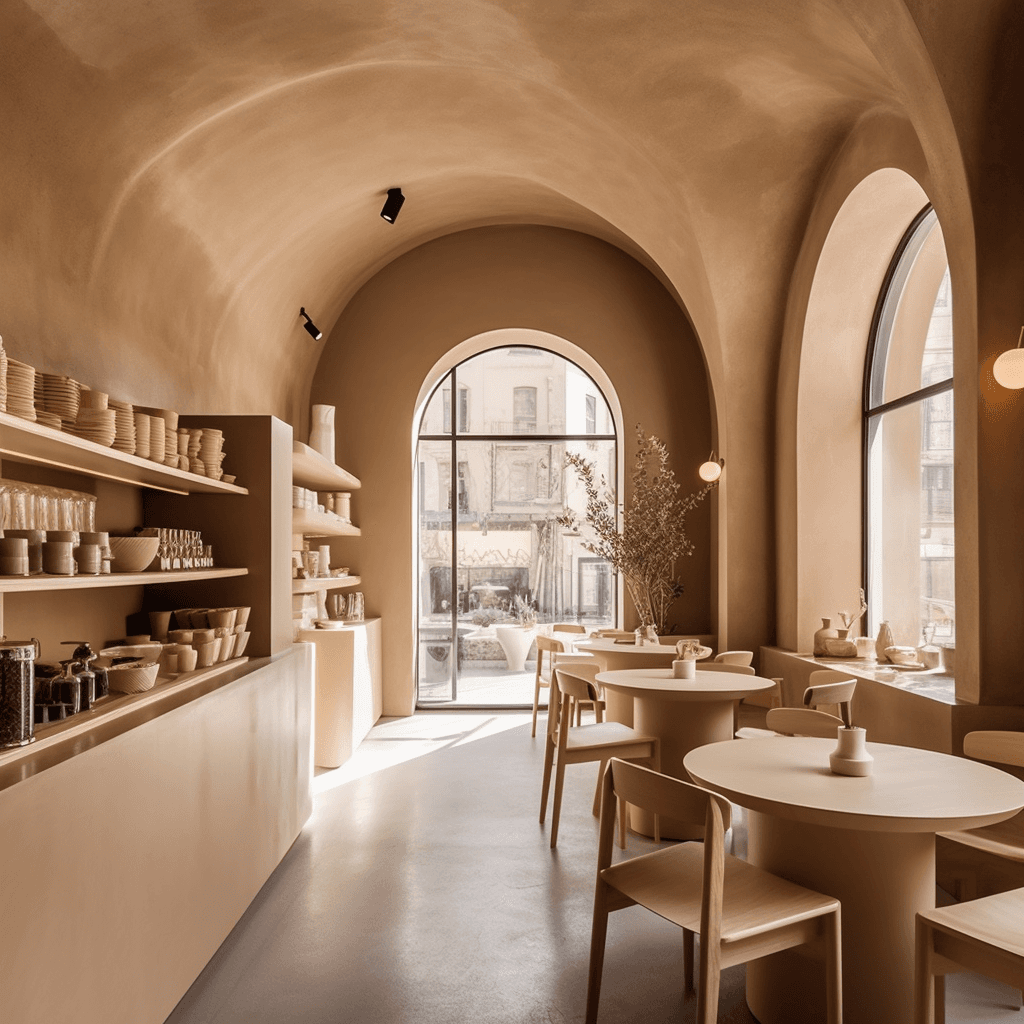 Inspiration image
Microcement gives cafes, salons, shops and other busy interiors a continuous finish that is practical to maintain.
 Inspiration image
A microcement floor carries one continuous, sealed surface from room to room while adding only a few millimetres to the existing level.
 Inspiration image
Microcement walls wrap a room in one continuous, hand-finished surface, from a single wall to every vertical plane, including curves and reveals.