Spaces
Microcement commercial spaces
Microcement gives cafes, salons, shops and other busy interiors a continuous finish that is practical to maintain.
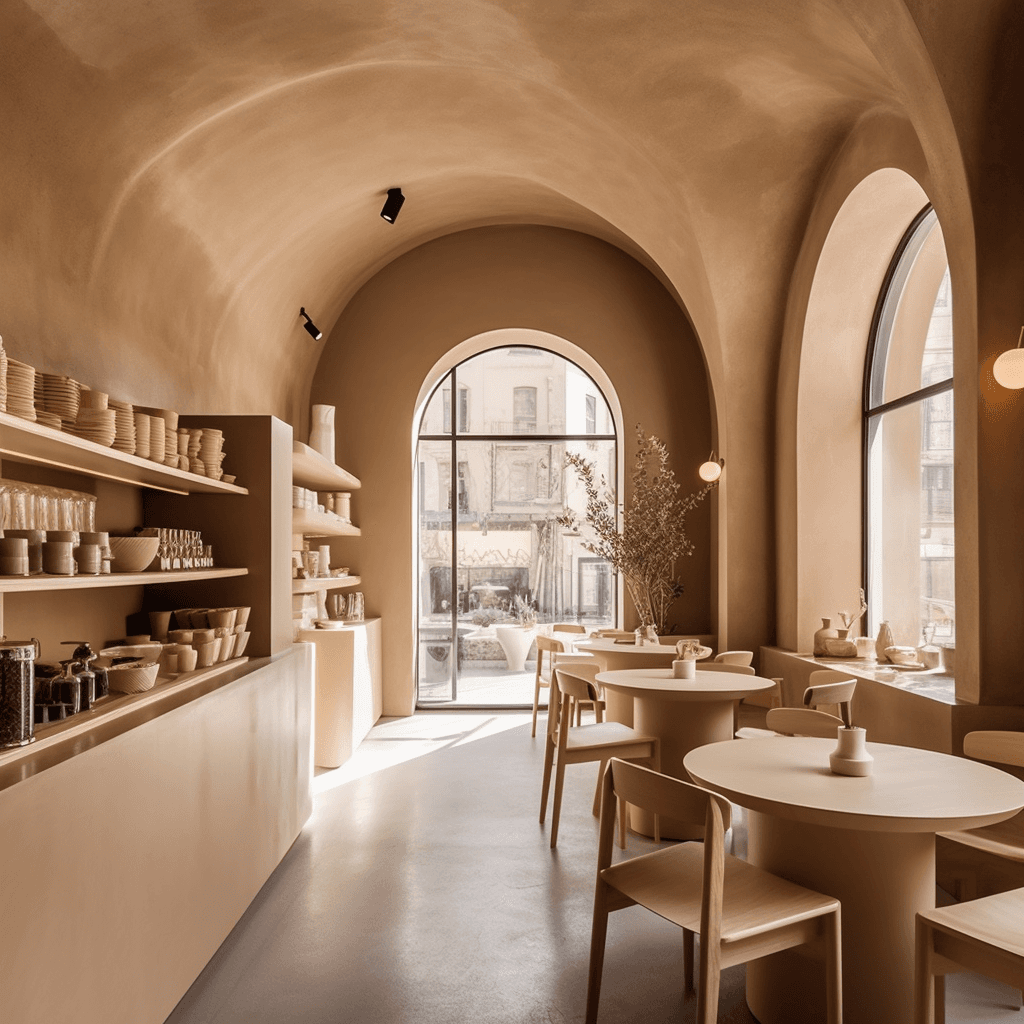
In context
The application in context.
Microcement is an ideal fit for commercial spaces, including cafes, salons and clothing shops. Its seamless design and easy upkeep suit busy environments. With its modern look and variety of colours and finishes, it can give your space a unique edge. Our skilled team is ready to bring your vision to life.
Built for a working day
Floors, counters and walls can share one sealed surface suited to heavy foot traffic and constant cleaning.
Less strip-out in a refit
Where existing tiles or screeds are sound, microcement can go over them, reducing demolition and rubble in a tenancy.
Brand colour without joints
The finish library runs from neutral greys to strong colours such as Arcilla and Indico, so a signature tone can carry across walls and counters.
Counters and curves as one
Rounded counters, curved walls and thresholds can be finished as one continuous form, as at ULA Café in Collingwood.
 Inspiration image
Why commercial interiors use microcement
Commercial microcement gives a cafe, salon or shop one continuous surface across floors, walls and counters. There are fewer joints to collect dirt, the look is distinctive without being busy, and once sealed the finish is suited to high-traffic areas.
It is practical for refits, too. With a build-up of only 2–3 mm, microcement can often go over a sound existing substrate, which means less demolition and less disruption for neighbouring tenancies.
Cafes, salons and retail
Each type of business asks something different of its surfaces:
- Cafes and hospitality: counters, bar fronts, floors and feature walls, with sealer and cleaning routines planned around coffee, oils and constant wiping.
- Salons: reception desks, product walls and floors, where hair colour and styling products call for prompt cleaning.
- Retail: display plinths, counters, fitting rooms and shop floors that carry steady foot traffic.
Think about the whole customer path, from the shopfront threshold to the counter, fitting rooms or styling chairs. Back-of-house areas such as storerooms and staff kitchens may call for a simpler, more practical finish than the spaces customers see.
Luxury Concrete collaborated with SuiL Architects on ULA Café in Collingwood, where microcement runs across curved walls, counters and thresholds. The project has been featured by publications including ArchDaily. For workplaces, see microcement offices.
Planning commercial microcement around trade
Timing is often the deciding factor. Most applications take 5–7 days, with drying time between each layer, and the surface keeps hardening over the following weeks. Plan for light use in the first week after completion, and tell us early about trading hours, access and any areas that must stay open.
Every substrate in scope, from slab floors to plasterboard walls and joinery, is checked for stability, level, cleanliness and humidity below 5%. Floor slip resistance and any wet-area waterproofing are project-specific, so they are settled with the builder or relevant professional before finishes are locked in.
Counters and joinery are often built by other trades, so coordinate early. The substrate needs to be fixed, stable and ready before microcement work begins, and the order of work matters when several trades share a site.
Budgets depend on substrate condition, complexity and project requirements. As a general range, Luxury Concrete's microcement application is $160–$300 AUD per square metre, including materials and labour; the cost guide explains what moves the figure, and architects, designers and builders can also start from the trade page.
Finishes that suit a busy interior
Mid-tones are usually the most forgiving on commercial floors, showing less dust and scuffing than very pale or very dark colours. Plomo keeps a neutral backdrop for merchandise, Panacotta and Latte suit softer salon interiors, and Arcilla, Indico or Graphite can carry a brand colour on a counter or wall.
Day to day, sweeping and damp-mopping with a pH-neutral cleaner protect the sealer, and periodic sealer maintenance belongs in the premises' upkeep plan. Avoid harsh degreasers, bleach and abrasive pads on the finished surface. The commercial interiors guide covers maintenance planning in more detail.
Colour direction
Finishes to start with.
A starting palette for commercial. Compare physical samples in your own light before deciding.
Browse every finish





01Is microcement suitable for a cafe counter?
Yes. Counters are a common commercial application and one of the surfaces finished at ULA Café in Collingwood. The substrate must be stable and suitable, and the sealer is chosen with coffee, food and constant wiping in mind.
02How is slip resistance handled on commercial floors?
Requirements depend on the type of premises and how the floor is used, so the builder or relevant professional confirms them for each fit-out. The texture and sealer are then planned around those requirements.
03How long will the premises be affected?
Most projects take 5–7 days to apply, with the exact time set by the area involved and the complexity of the work. The surface keeps hardening for several weeks, so plan for light use in the first week and discuss staging with us before the schedule is fixed.
Keep exploring
Related applications.
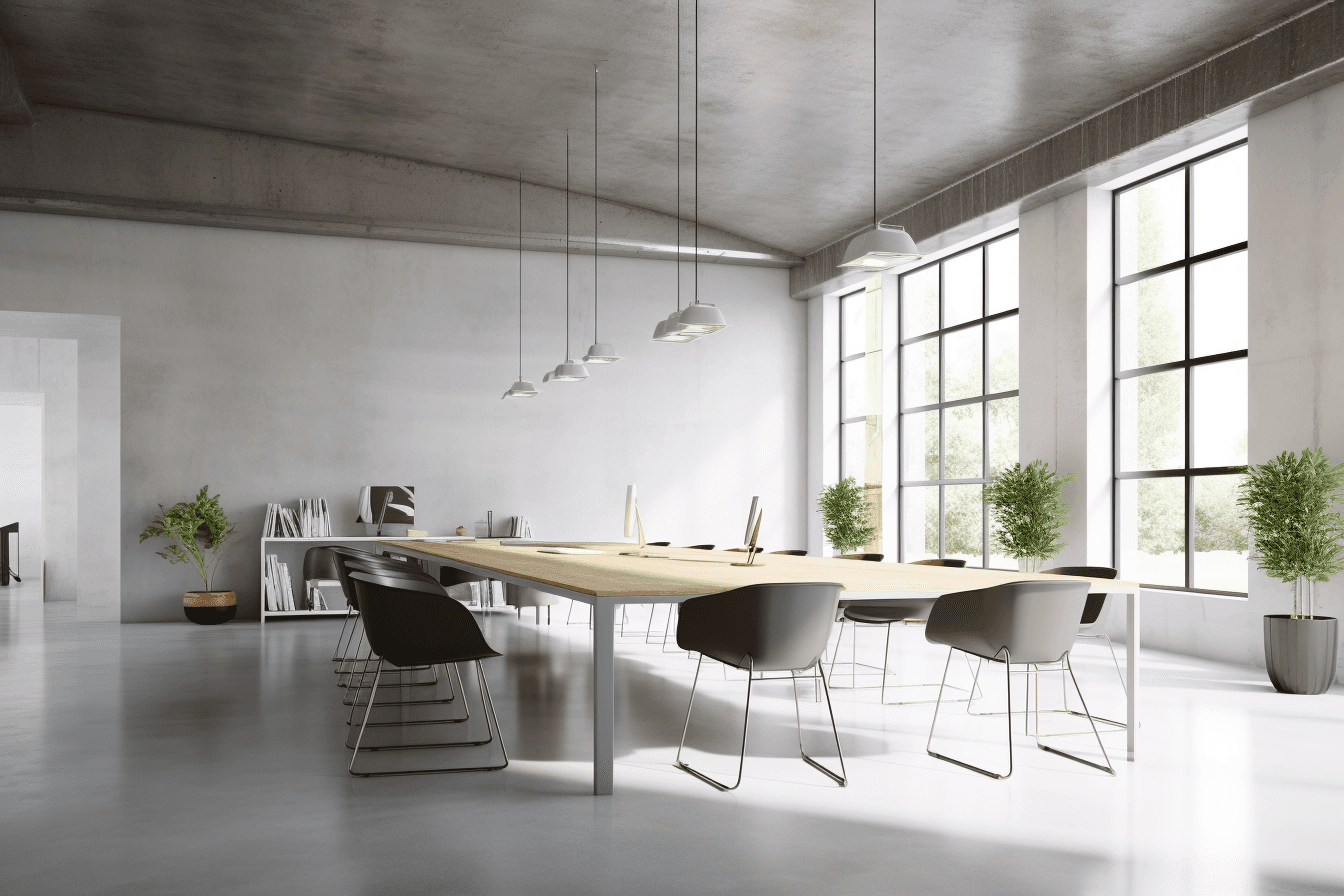 Inspiration image
For busy offices, microcement combines a durable, easy-care surface with a restrained contemporary finish.
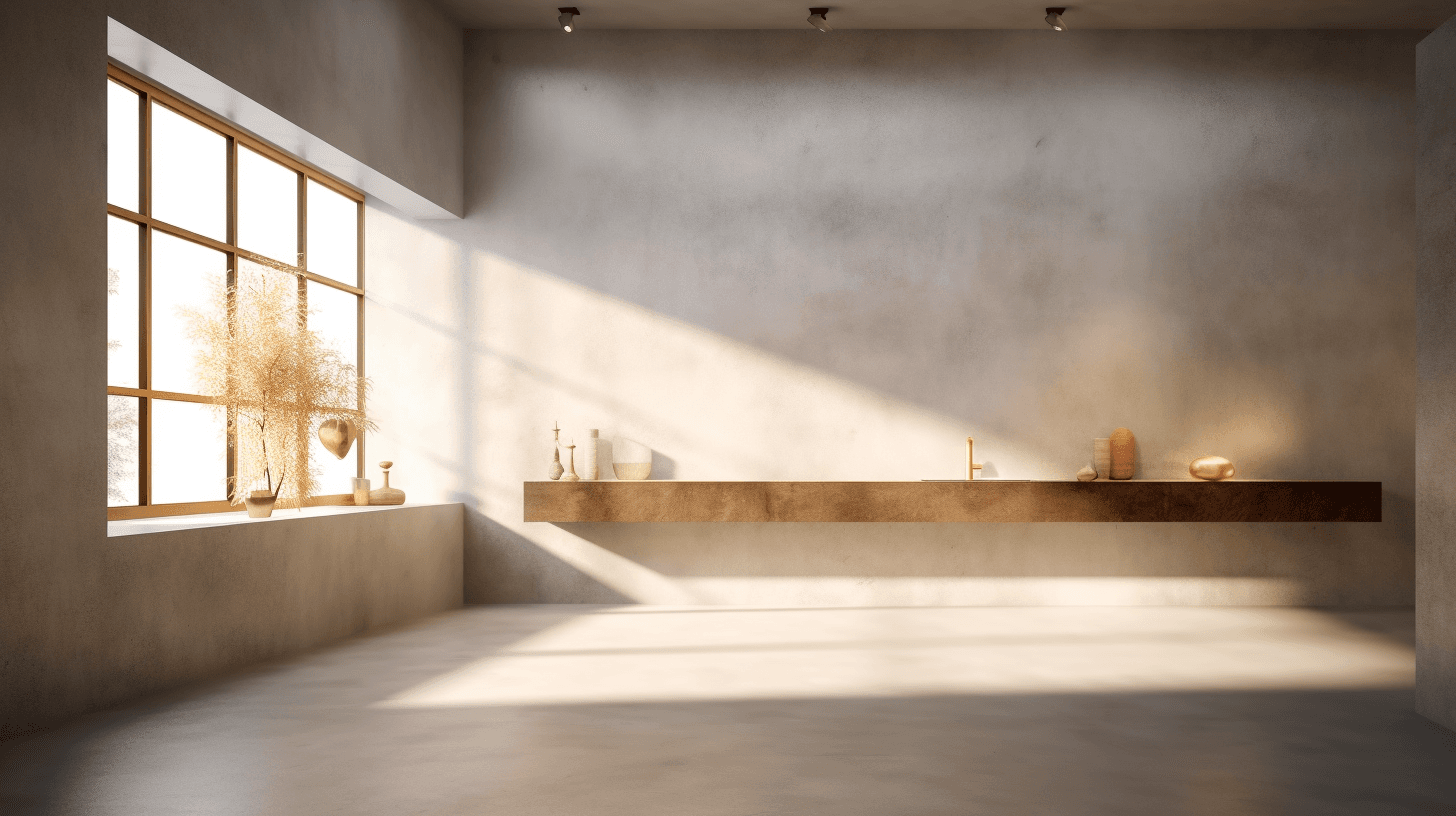 Inspiration image
A hand-trowelled microcement feature wall brings depth through colour and texture while keeping the surface continuous.
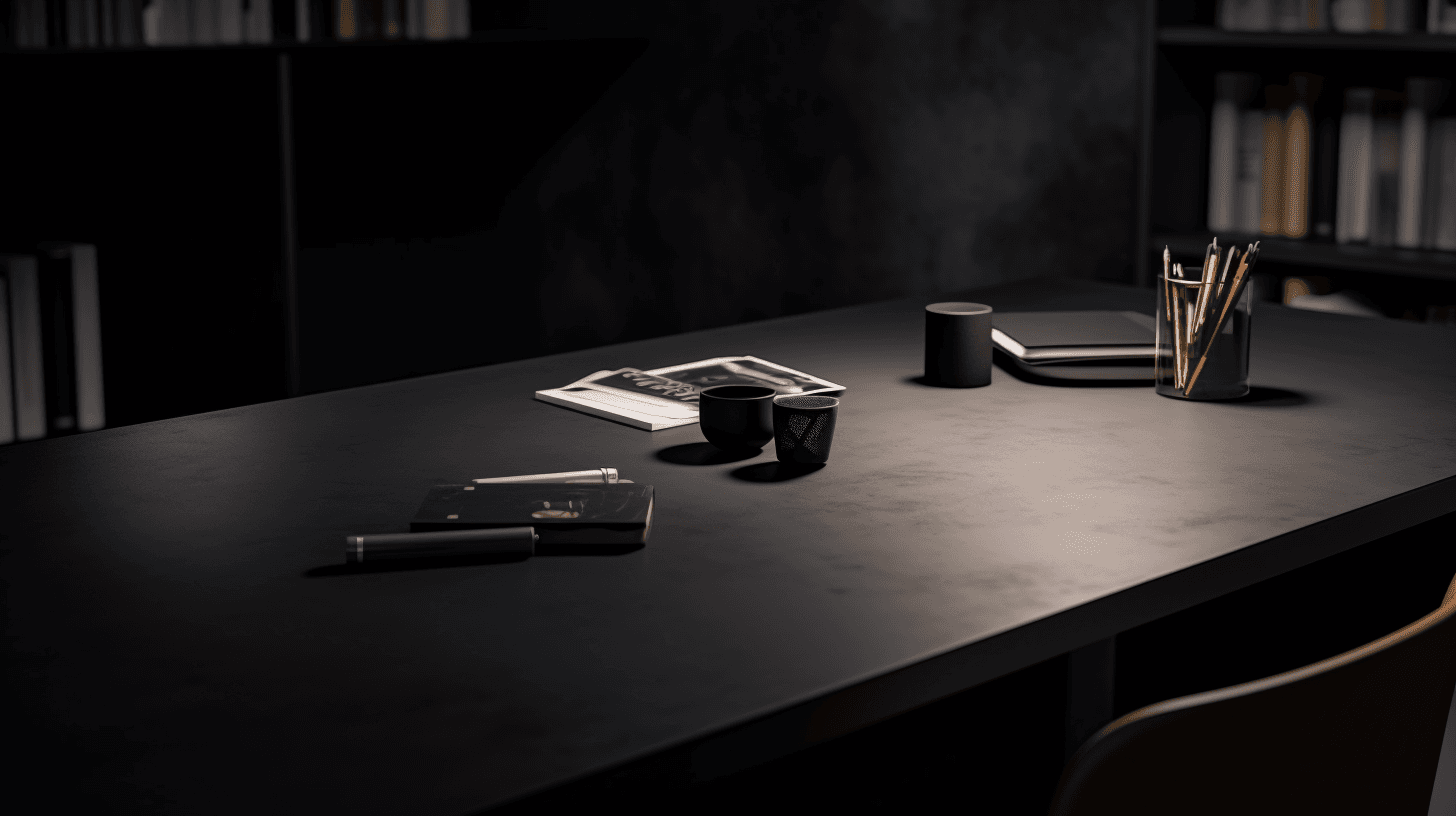 Inspiration image
Microcement gives kitchen benchtops, islands and bathroom vanities a seamless, hand-finished surface, and suitable existing benchtops can be coated in place.