Service area / Western Suburbs
Microcement in Melbourne's western suburbs
Melbourne's western suburbs run from converted warehouses and workers' cottages in Footscray, Seddon and Yarraville to new estates in Point Cook, Tarneit and Werribee. Microcement in the western suburbs suits both ends of that range, and Luxury Concrete supplies the material to builders and trades as well as installing it.
Local highlights
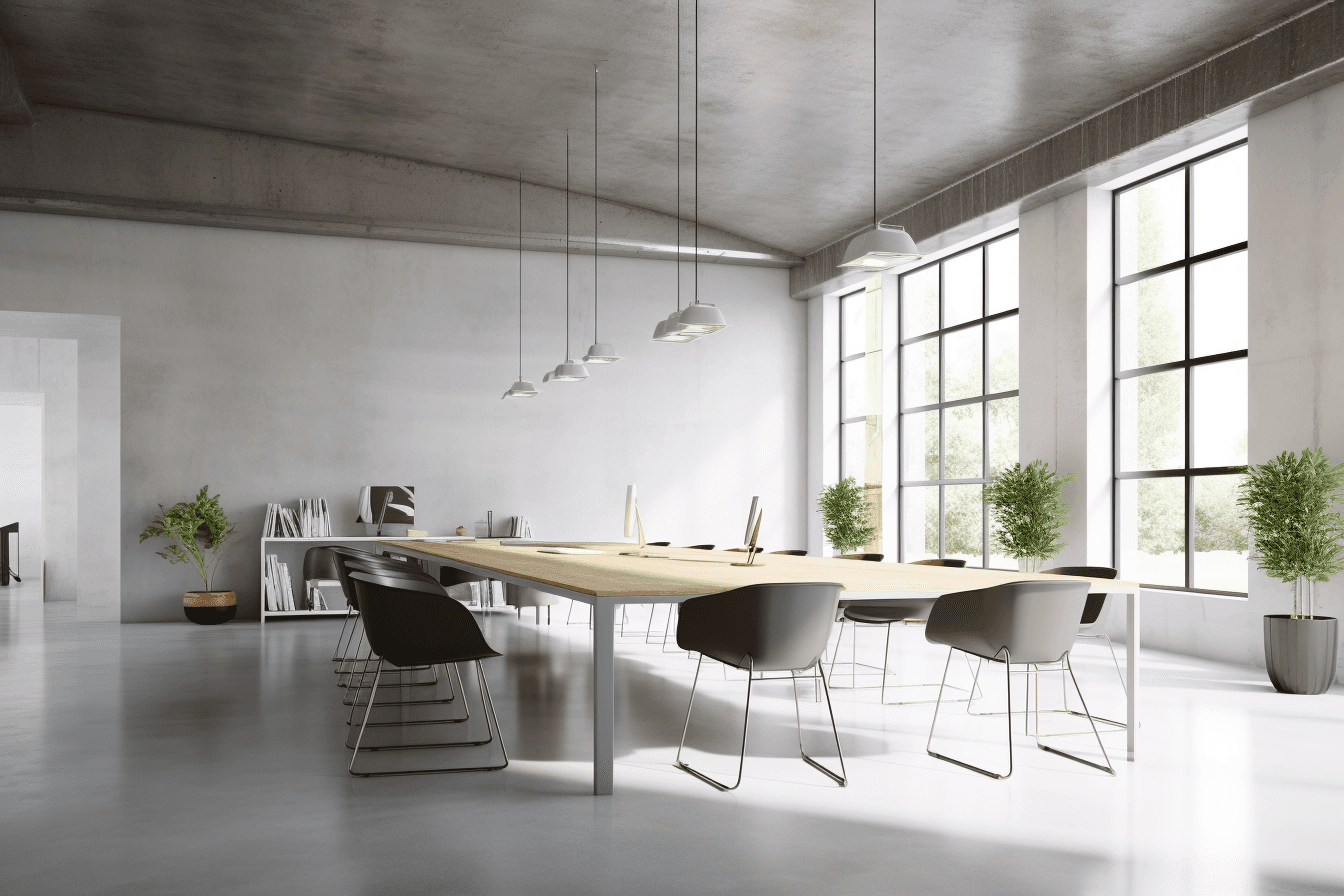
Warehouse conversions
Old concrete floors, rendered walls and new plasterboard in a converted building can share one continuous 2–3 mm finish.
New estates
In new homes across Point Cook, Tarneit and Werribee, the finish is planned with your builder once screeds and mortars are ready.
Commercial fit-outs
Seamless counters, walls and floors suit cafés, studios, salons and showrooms where durability and easy cleaning matter.
Trade supply
Builders and trades can source the two-component system: Microcement Base, Floor and Wall, with Microcement Resin.
Warehouses, cottages and new estates
The inner west has a long industrial history, and many former warehouses and factories in Footscray, Seddon and Yarraville have been converted into homes, studios and offices. Between them sit streets of Victorian and Edwardian workers' cottages, with nineteenth-century houses around Williamstown's historic port.
Cottage renovations tend to centre on a small bathroom, laundry or kitchen at the back of the house. Firmly adhered tiles there can often stay under the new finish, which keeps the work contained on a tight block.
Further out, Point Cook, Tarneit and parts of Werribee are largely new estates, while Ascot Vale, Moonee Ponds and Essendon mix period homes with newer apartments and townhouses. Each calls for a different approach to microcement, but the substrate rules are the same everywhere: stable, level, clean and below 5% humidity.
Microcement in warehouse conversions
Converted industrial buildings often come with an existing concrete floor that's structurally sound but stained, patched or uneven. Microcement can give that floor a new continuous surface at around 2–3 mm, provided the concrete is stable and dry; where levels need correcting, a self-levelling mortar can go down first.
It also works on the vertical surfaces a conversion tends to have: rendered masonry, new plasterboard partitions and metal elements such as columns or joinery panels. For a raw, industrial feel, concrete greys such as Plomo and Aluminium or the deeper Gris Marengo and Graphite are natural choices; where there's plenty of brick and timber, a warmer tone can sit more comfortably.
Large steel-framed windows and skylights can throw strong, raking light across a floor, which exaggerates any variation in texture. A smoother or more textured finish can be chosen with that in mind, and samples are worth viewing in similar light.
If you're weighing up options for a large floor, our comparison of microcement and polished concrete sets out the differences in thickness, joints and application time. Microcement is the thinner, joint-free option, and it can also continue up walls and over joinery.
Commercial fit-outs across the west
The west's shopping villages and commercial precincts, from Yarraville and Seddon to Footscray, Sunshine and Moonee Ponds, include cafés, studios, salons and showrooms. For these spaces, microcement offers one continuous surface across floors, walls and counters that's durable once sealed and quick to clean.
Application is quicker and less disruptive than many traditional renovations, with no rubble or major construction work, which helps when rent is running before opening day. See commercial applications for the surfaces involved.
Microcement supply for builders and trades
Luxury Concrete supplies microcement as well as installing it. The system is two-component: Microcement Base builds a strong, seamless foundation on a properly prepared surface, Microcement Floor and Microcement Wall are the finishing products, and Microcement Resin is the Part B resin for the system.
Builders, designers and trades can find more on the trade page and the products page. Luxury Concrete microcement products come with warranties, and you can ask about quantities and the right products for your project when you enquire.
Starting a project in the west
The showroom is on the other side of the city, in Ferntree Gully, so it can make sense to begin with plans and photos. Send the address, the building type and the surfaces you'd like finished through the contact page, and an on-site assessment of the substrates comes before any quote.
For a new home in Point Cook, Tarneit or Werribee, include your builder's details and the current build stage. New screeds and mortars need to reach an advanced setting stage and a humidity below 5% before microcement can go on.
Western Suburbs
Local questions.
01Do you service Footscray, Williamstown and the rest of the west?
Yes. Luxury Concrete services Melbourne and beyond, including the inner and outer west. Add the project address when you get in touch, so the site visit can be arranged.
02Can I buy microcement for my own team to apply?
Yes. Luxury Concrete supplies its two-component system, including Microcement Base, Floor, Wall and Resin. Visit the trade page or send an enquiry about materials to discuss the products and quantities your project needs.
03Can microcement go over an old warehouse concrete floor?
Often, if the concrete is stable, level, clean and below 5% humidity. Cracks, contamination and uneven areas are assessed on site first, and a self-levelling mortar may be needed before microcement is applied.
Across Melbourne
Other areas.
- 01Inner MelbourneMelbourne CBD, Carlton, Fitzroy, Collingwood
- 02Eastern SuburbsKew, Hawthorn, Camberwell, Canterbury
- 03Knox & Dandenong RangesFerntree Gully, Upper Ferntree Gully, Boronia, Bayswater
- 04South EastOakleigh, Clayton, Mulgrave, Wheelers Hill
- 05BaysideElwood, Elsternwick, Brighton, Hampton
- 06Northern SuburbsBrunswick East, Coburg, Northcote, Thornbury
- 07Mornington PeninsulaFrankston, Mount Eliza, Mornington, Mount Martha