Spaces
Microcement living rooms
Living rooms benefit from a continuous, hard-wearing surface that keeps the interior visually calm and straightforward to clean.

In context
The application in context.
Microcement is a top pick for living rooms. Its neat, continuous surface is easy to keep clean. More hard-wearing than paint, it is up to the task of day-to-day life. Its versatile design fits a minimalist style, with many colours and finishes available to suit your taste.
Floor and wall in one language
Carrying one finish across the floor and up a wall, or onto a built-in bench, removes visual breaks and helps an open-plan room feel unified.
Made for everyday living
Once sealed and cured, the surface handles daily foot traffic, knocks and scratches in a room that is used from morning to night.
Pairs with underfloor heating
Microcement can go over a heated floor when the heating is run in and switched off according to the required protocol before application.
Little change to floor levels
At 2–3 mm, the finish adds very little height where a living room meets a kitchen, hallway or dining area.
 Inspiration image
Why microcement suits living rooms
Microcement living rooms tend to feel calmer because the surfaces are continuous. There are no tile joints or board lines pulling at the eye, so furniture, artwork and daylight do more of the work. It is a thin, hand-applied finish, which means it can run across the floor and onto walls without altering the proportions of the room.
It also suits how living spaces are used. Once sealed and cured, the surface copes with foot traffic and the knocks of family life, and a few simple habits, such as felt pads under furniture, help it stay that way.
Floors, walls and built-in pieces
In a living room, microcement is most often considered for:
- the floor, especially where an open-plan space connects to a kitchen or dining area;
- a single wall that frames a sofa, bookcase or media unit;
- built-in elements such as bench seats, plinths and shelving made from a suitable substrate;
- steps and thresholds between rooms, so one finish carries through from space to space.
If the floor is your main interest, the microcement floors page covers traffic, preparation and sheen in more depth. Where a living room opens onto a terrace or courtyard, microcement can be used outside as well, although exterior surfaces are assessed separately for exposure and use.
Substrates and underfloor heating
The base needs to be stable, level, clean and below 5% humidity. Suitable bases include a cement-based screed, self-levelling mortar, sound tiles, terrazzo or marble. Natural timber floorboards are not advised, because boards move at different rates and that movement can crack the finish above. The guide to whether microcement cracks explains why.
Underfloor heating is compatible with microcement when the protocol is followed. The heating is run in gradually before application, switched off at least 48 hours before work starts and brought back up slowly afterwards, and an expansion joint is needed between the screed and the walls. The underfloor heating guide sets out each step.
Choosing a colour for the room
Living rooms are often the brightest rooms in a home, and large windows can wash out a colour that looked rich on a small sample. Soft greys such as Plomo and Aluminium feel calm and architectural, while Camel, Mocha and Nogal sit comfortably with timber, linen and leather.
Think about floor and walls together: a slightly deeper tone underfoot grounds a room, and a lighter wall keeps it open. Screens distort colour, so start with the colours and textures library, then compare physical samples in the light of your own space and send an enquiry with your shortlist.
Living with the finish
Vacuum or sweep regularly, since grit carried in on shoes acts like sandpaper underfoot, and damp-mop with a pH-neutral cleaner. Wipe spills promptly, lift heavy furniture rather than dragging it, and treat the surface gently in the first week while it continues to harden.
On a heated floor, avoid thick rugs and furniture that sits flat without space beneath it, as both can trap heat. Over time, the sealer can be maintained to keep the surface protected.
Colour direction
Finishes to start with.
A starting palette for living rooms. Compare physical samples in your own light before deciding.
Browse every finish




01Can microcement go over timber floorboards in a living room?
Natural timber is not advised as a substrate, because boards expand and contract at different rates and that movement can crack the finish. The floor would need a stable, suitable base instead, and the options are assessed on site.
02Will furniture and rugs mark a microcement floor?
Felt pads under chair and table legs, and lifting heavy pieces rather than dragging them, prevent most marks. Rugs are fine on an unheated floor, but on underfloor heating thick rugs should be avoided because they trap heat.
03Can the same finish continue into the kitchen and hallway?
Yes. Microcement can be carried through connected spaces so there is no change of material at each doorway. Every substrate along the way is assessed, including any existing joints in the slab, before the layout is agreed.
Keep exploring
Related applications.
- Inspiration image
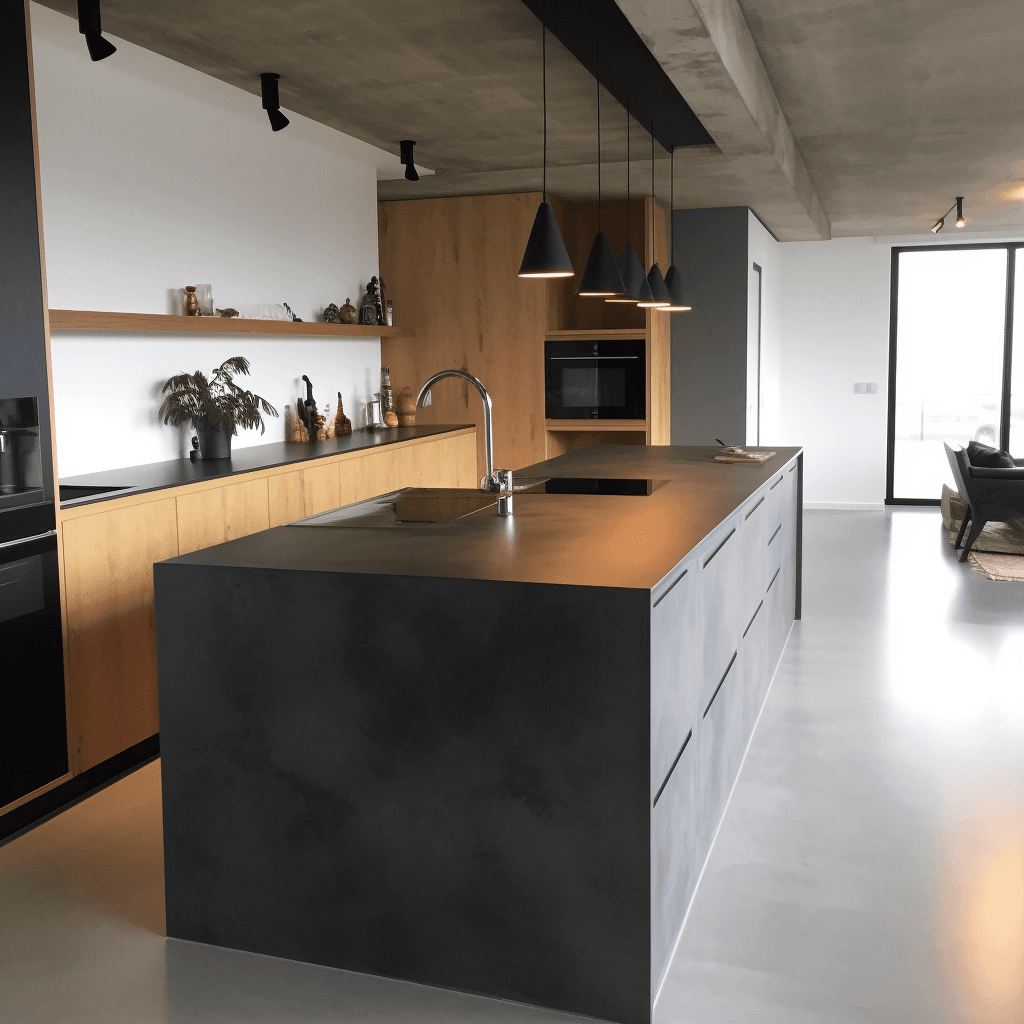
A microcement floor carries one continuous, sealed surface from room to room while adding only a few millimetres to the existing level.
 Inspiration image
Microcement can update suitable tiles and benchtops with a thin, continuous finish, making it useful for renovation work.
 Inspiration image
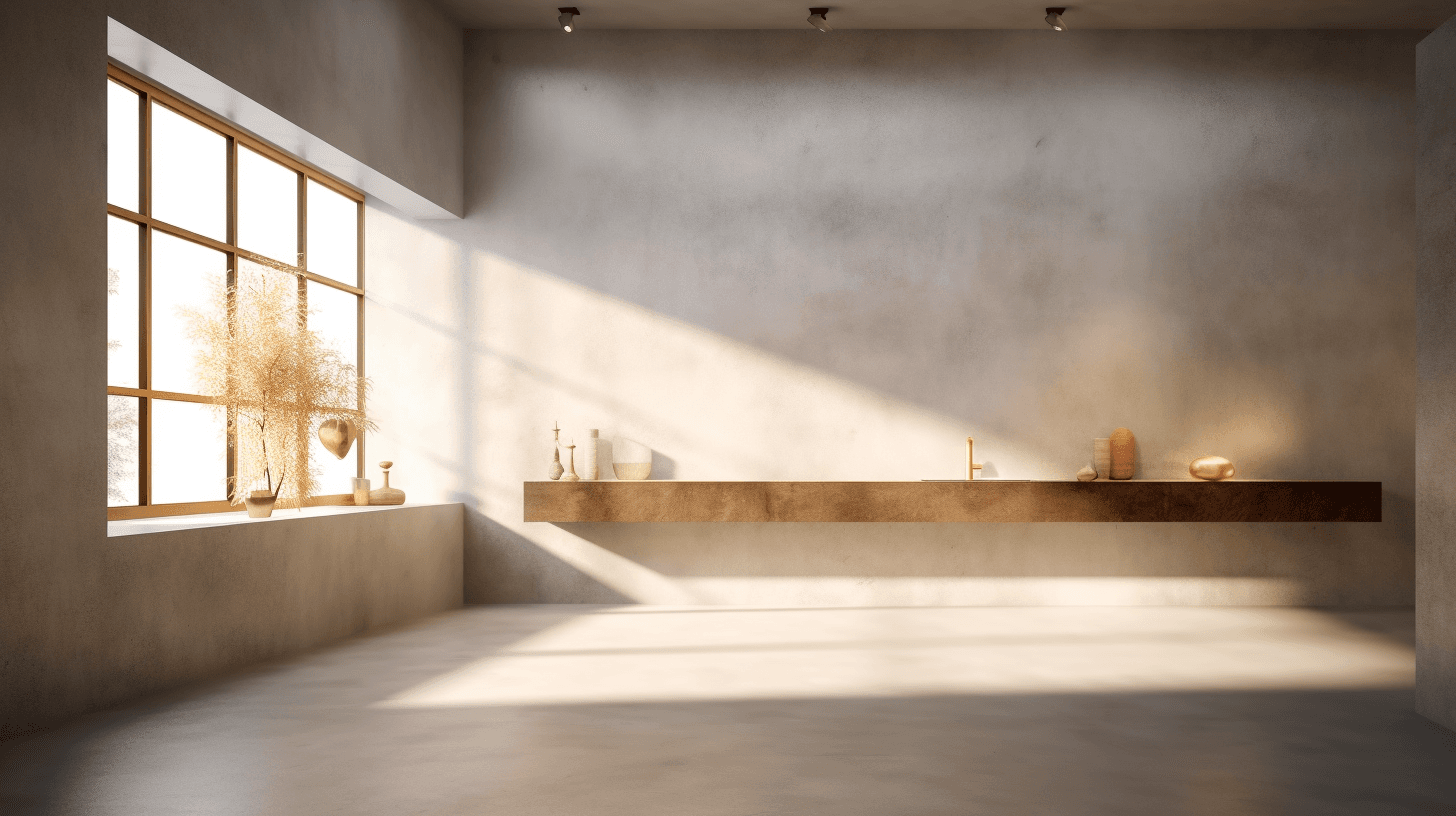
A hand-trowelled microcement feature wall brings depth through colour and texture while keeping the surface continuous.