Cost
How much does microcement cost in Melbourne?
Installed microcement generally ranges from $160–$300 AUD per square metre. Here is what moves a project within that range, and what to send for an accurate quote.
Key takeaways
- Our microcement application generally ranges from $160–$300 AUD per square metre, including materials and labour.
- Substrate condition, complexity, area size, wet areas, the number of surfaces, the finish and site access all move a project within that range.
- Microcement can cost more than some tiles because a professional hand-trowels multiple layers.
- Going over suitable existing surfaces can avoid demolition, which can reduce overall construction time and costs.
- Plans, photos and measurements help us prepare an accurate quote.
The cost of microcement in Melbourne is shaped by the surfaces it is going onto and the amount of skilled hand work involved, as well as by the material itself. This guide sets out our general price range, what moves a project up or down within it, and what to send us for a quote you can plan around.
The typical price per square metre
Luxury Concrete's microcement application generally ranges from $160–$300 AUD per square metre, including materials and labour. The exact figure depends on the condition of the substrate, the complexity of the work and other project requirements.
Treat the range as a planning guide rather than a fixed rate. Two rooms of the same size can sit at different points within it, because one needs more preparation or detailed hand work than the other. A quote based on your actual surfaces is the figure to rely on.
For example, a bedroom floor over a sound, level slab is a very different job from a bathroom of similar size with a niche, a floor waste, tiled walls and a vanity to wrap.
The range reflects how microcement is applied. Each project moves through surface preparation, primer, two base layers, sanding, two finishing layers, sealing and polishing, with drying time between stages and every layer trowelled by hand.
What moves a project within the range
Every quote starts with the same questions: what is the surface now, how much of it is there, and how much detailed work does it involve? The table summarises the main factors.
| Factor | What we look at | Typical effect on cost |
|---|---|---|
| Substrate condition | Stability, level, moisture, loose or cracked tiles, old coatings | Lower when the surface is sound; higher when repairs or levelling are needed |
| Complexity | Curves, stairs, niches, edges, benchtops and furniture | Higher where there is more detailed hand work per square metre |
| Area size | Total square metres and how they are split across rooms | Small areas can carry a higher rate per square metre |
| Wet areas | Showers, bathrooms and laundries | Can be higher because of drain, niche and junction detailing |
| Number of surfaces | Floors, walls, ceilings and joinery in one scope | More junctions and edges to finish by hand |
| Finish and colour | Texture, sheen and colour selection | Can change the steps or sealer coats involved |
| Access and scheduling | Site access, other trades, staging and occupied spaces | Staged or restricted work can add time |
Substrate condition and repairs
Microcement needs a substrate that is stable, level, free of dirt and below 5% humidity. A sound, clean surface needs only standard preparation. Loose or cracked tiles, uneven floors, flaking paint or damp areas have to be resolved first, and that work adds time and cost.
Complexity and detail
Flat, open floors are the most efficient surfaces to trowel. Curves, stairs, shower niches, window reveals, exposed edges and furniture take more hand work per square metre, because every edge and corner is finished individually.
Area size and number of surfaces
Some parts of every job, such as set-up, preparation and drying time between layers, do not shrink in proportion to the area. Small areas can therefore carry a higher rate per square metre. Covering several surfaces in one room, such as a floor, walls and a vanity, adds junctions to detail but lets the finish run continuously.
Wet areas
Bathrooms, showers and laundries involve more detailing around drains, niches and junctions, plus careful sealing, so a bathroom with a walk-in shower may sit higher in the range than a powder room of a similar size. Waterproofing is a separate building requirement, so confirm with your builder how it will be handled and priced.
Finish, access and scheduling
The texture, sheen and colour you choose can influence the steps and sealer coats involved. Site access, staging around other trades, and working in an occupied home or a trading business can also affect how the work is scheduled.
Why microcement can cost more than some tiles
Tiles are manufactured in a factory and laid in units. A microcement finish is formed on site, one layer at a time.
The application is labour-intensive and requires a professional to hand-trowel multiple layers, with drying and sanding between them. The result is a bespoke, seamless finish that tiles cannot achieve, customised in a wide range of colours and textures.
Compare whole projects rather than rates alone. Because microcement can go over suitable existing tiles, you may avoid demolition, waste removal and much of the disruption of a strip-out, which can reduce overall construction time and costs. Durability and easy maintenance, when the surface is correctly finished, add to its long-term value, and our microcement vs tiles comparison covers the trade-offs in detail.
Ways to manage the cost
A few decisions made early can keep a project towards the efficient end of the range:
- Prioritise surfaces. Put microcement where continuity matters most, such as floors, showers or a feature wall, rather than on every surface by default.
- Simplify the details. Fewer niches, curves and exposed edges mean less detailed hand work per square metre.
- Fix the substrate early. Resolving loose tiles, cracks or damp with your builder before work starts keeps preparation straightforward.
- Keep the work in one stage. Completing connected areas together, rather than in separate visits, avoids repeating set-up and preparation.
- Settle the finish first. Choosing the colour and texture before the quote is finalised removes guesswork from the scope.
Buying material only
If you are arranging your own application, you can buy material separately. Our FAQ puts it this way:
Purchasing microcement material alone typically ranges from $40 to $50.
Luxury Concrete FAQ
The products and quantities you need depend on the surfaces and the system being applied, so confirm them with us before ordering. You can review our microcement products or visit the trade page.
How to get an accurate quote
The more we know about your surfaces, the closer a quote can be to the final figure. When you contact us, include:
- Plans or drawings, if you have them, with the areas to be covered marked up
- Photos of each surface, including close-ups of existing tiles, cracks or damp patches
- Approximate measurements of floors, walls, benchtops and furniture
- What each surface is made of now, and whether there is underfloor heating
- Which areas get wet, and when you would like the work done
Settling colour and texture before you finalise the quote is worthwhile, because it removes one of the variables, so mention your shortlist when you send an enquiry. We confirm substrate suitability on site before work is scheduled.
What to check in your quote
Make sure the quote lists the surfaces and approximate areas included, the finish and colour, the preparation allowed for, and anything excluded, such as waterproofing, plumbing or joinery. If something is unclear, ask before work is scheduled.
Budgeting beyond the finish
Allow for work outside the microcement itself, such as waterproofing in wet areas, plumbing or electrical changes and any new joinery. Keep a margin for substrate repairs that only become visible once preparation starts.
Build the timeline into your plans too. Application typically takes 5–7 days depending on size and complexity, and the surface needs gentle use during its first week while it continues to harden. We work across Melbourne and beyond, so tell us where the project is when you get in touch.
Frequently asked
01Does the $160–$300 per square metre range include materials?
Yes. The range covers both materials and labour for application. Where a project sits within it depends on the substrate, the complexity of the work and other requirements, so each project is quoted individually.
02Why might my quote sit towards the upper end of the range?
Substrate repairs, detailed work such as stairs, niches and curves, wet-area detailing, small areas and restricted access all add time per square metre. A straightforward open floor on a sound substrate involves less of that work.
03Can you estimate the cost from photos?
Photos, plans and measurements help us understand the scope and discuss likely costs. The substrate still needs to be confirmed as stable, level, clean and below 5% humidity, which is checked on site before work goes ahead.
04Is waterproofing part of the microcement price?
Waterproofing is a separate building requirement from the microcement finish. Confirm with your builder how it will be handled in your project, and check your quote so you know exactly what is and is not included.
Keep reading
Related guides.
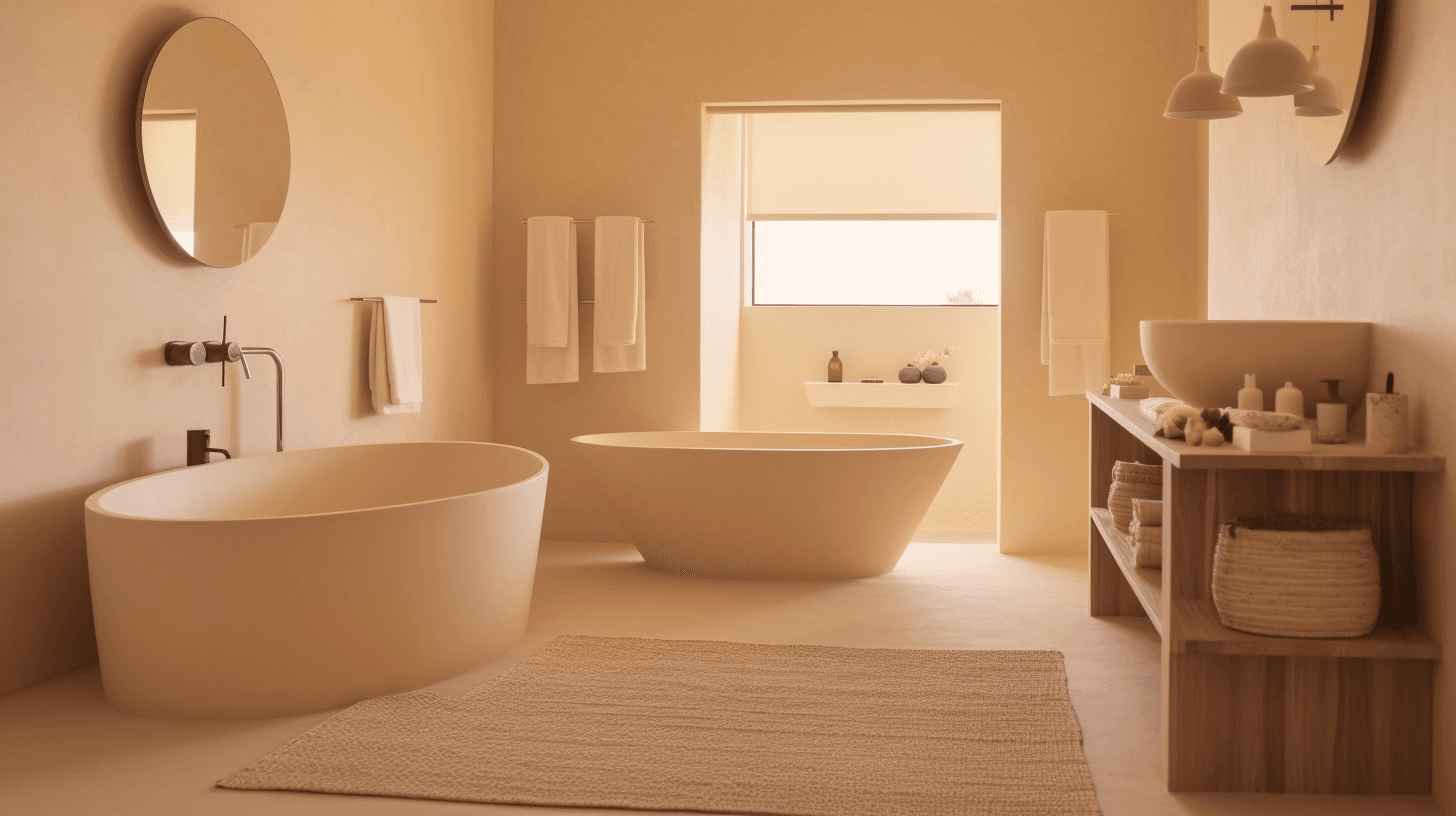
Microcement vs tiles: a practical comparison
Tiles are the familiar choice for bathrooms and kitchens. Here is how a seamless microcement finish compares on cleaning, cost, durability, design and timing.
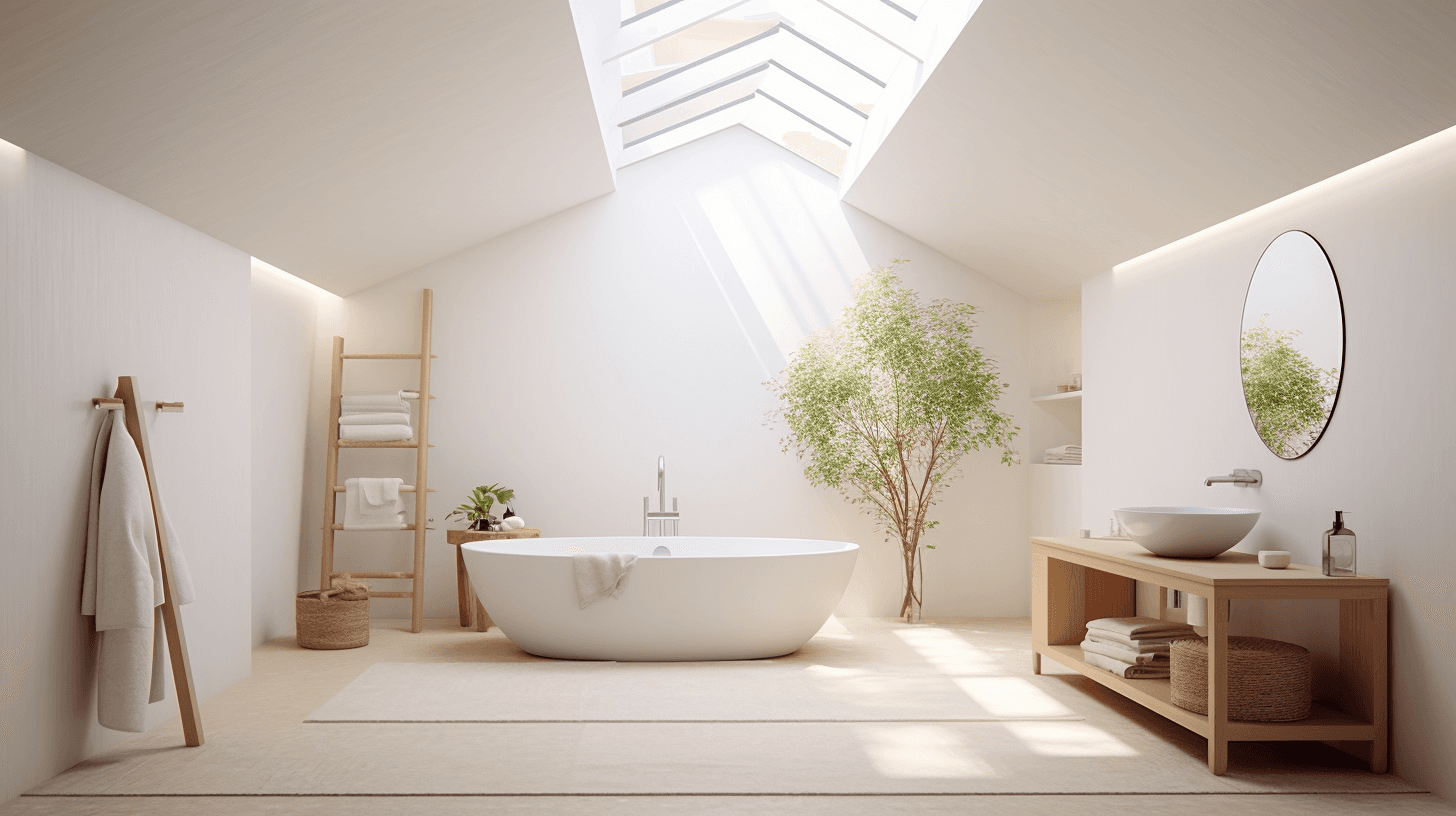
Can you apply microcement over existing tiles?
Microcement's strong adhesion means it can often go straight over existing tiles. Here is what needs checking, how tiles are prepared and when removal is still the better option.
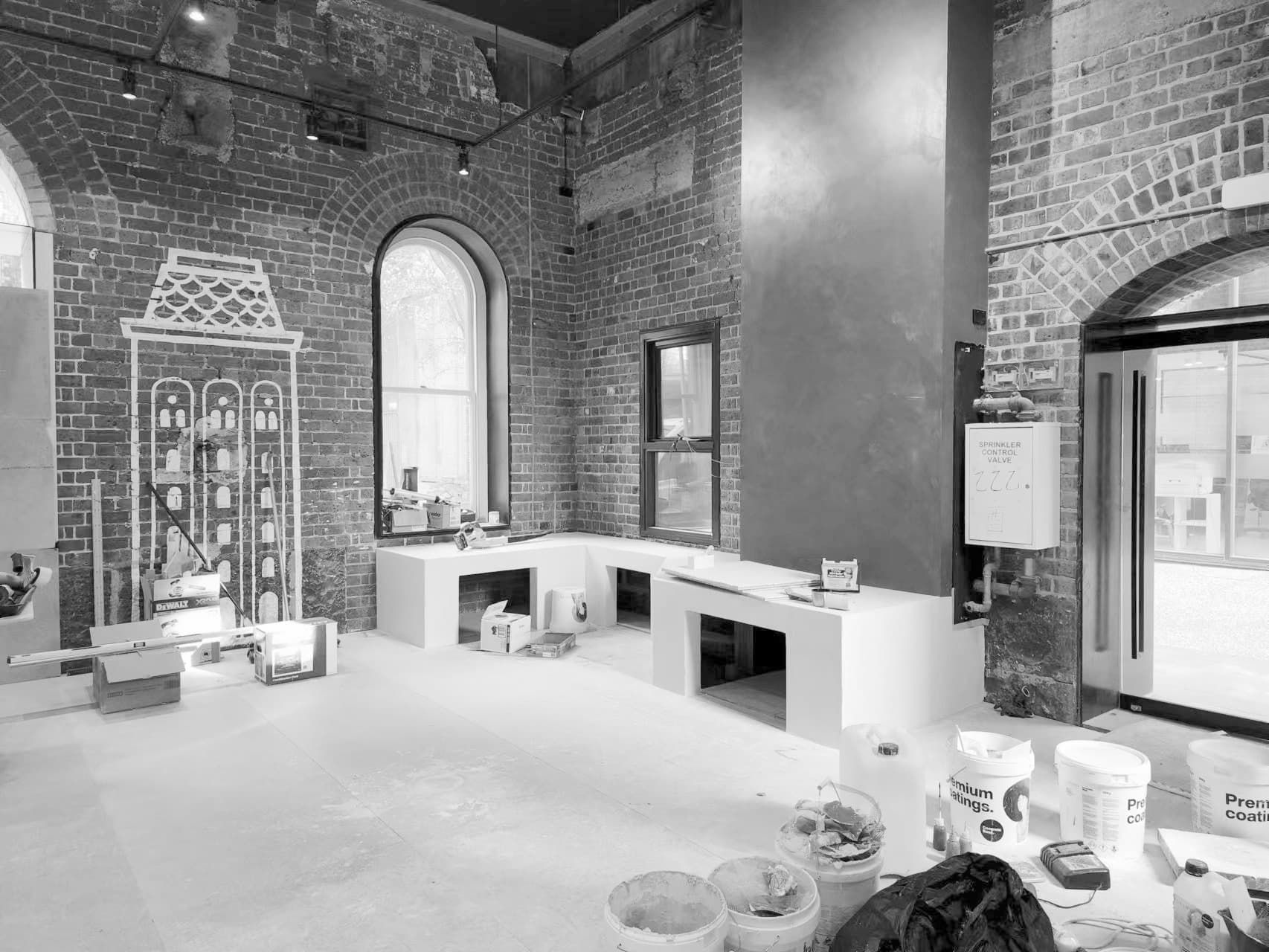
How long does microcement take to install?
Most microcement applications take 5 to 7 days, depending on size and complexity. The indicative sequence, what can extend it and how to plan around it.