Service area / Bayside
Microcement in Melbourne's bayside suburbs
From Elwood and Brighton down to Mordialloc and Aspendale, bayside homes are built around light, sea air and easy movement between inside and out. Microcement in Melbourne's bayside suburbs can carry one continuous surface through living areas and bathrooms, with any exterior areas assessed project by project.
Local highlights
Indoor–outdoor living
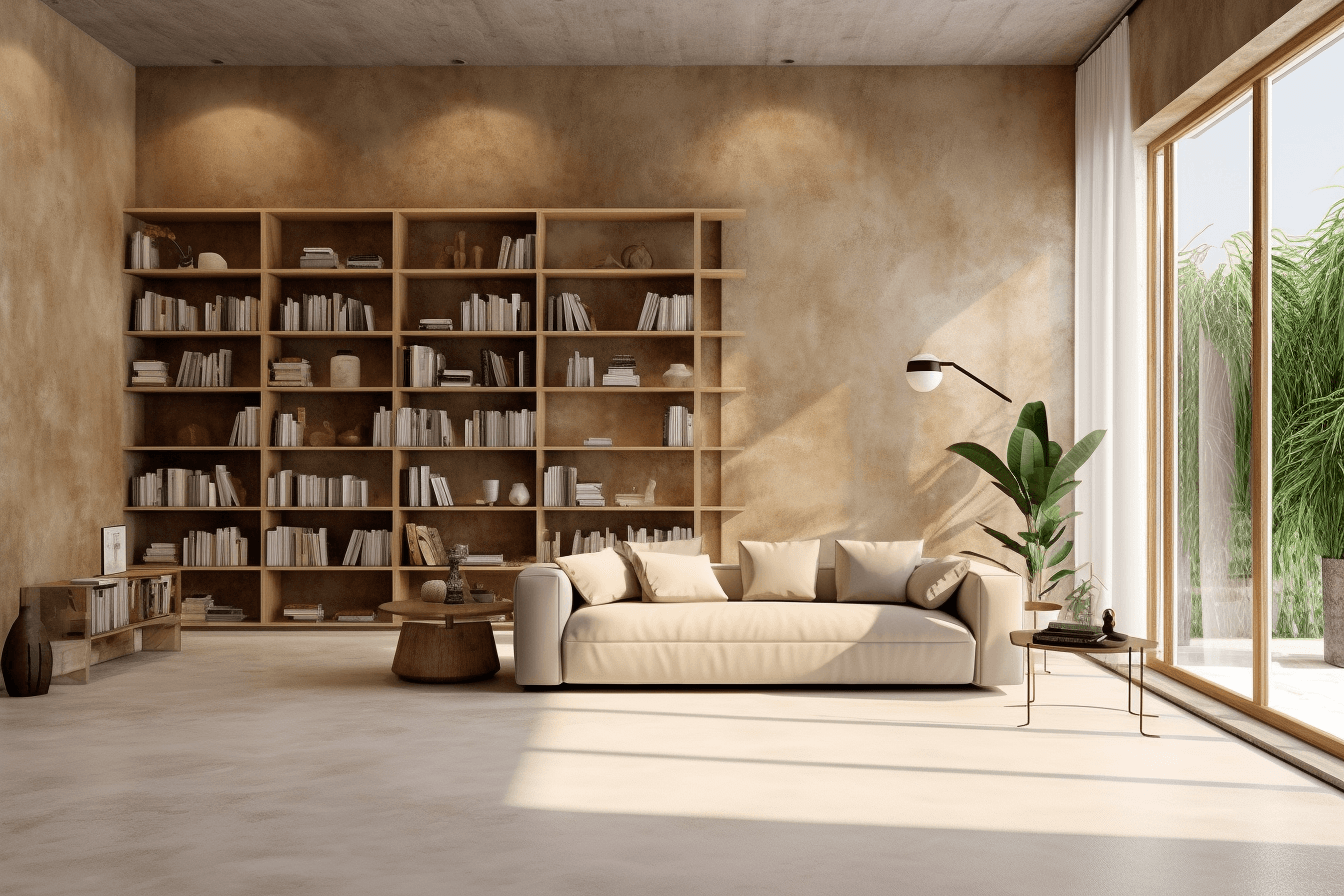
A seamless floor can run to the edge of the living area, and the same colour can continue outside where an assessment supports it.
Exterior, case by case
Microcement can be used outdoors, but exposure, the substrate and the sealing approach are assessed for each area before it's recommended.
Sand and salt
Fine sand is abrasive underfoot and salt settles quickly, so regular, gentle cleaning keeps a sealed surface looking its best.
Homes of every era
From Art Deco flats in Elwood to mid-century houses in Beaumaris and new rebuilds in Brighton, the finish can be tuned to the architecture.
From Art Deco flats to mid-century houses and new rebuilds
Bayside housing covers a lot of ground. Elwood is known for its Art Deco and interwar flats, Elsternwick and Caulfield for period homes, Beaumaris for mid-century modern houses, and Brighton and Hampton for contemporary rebuilds on established blocks.
Inland, Bentleigh, Moorabbin, Highett and Cheltenham have many post-war homes alongside newer townhouses. Here, a bathroom refresh or a small courtyard connected to the living area is a natural place to start.
What many of these homes share is a focus on light and outdoor living. Living areas open to decks, courtyards and gardens, and bathrooms get heavy use through summer.
Microcement suits that way of living because it removes grout lines and changes of material, leaving one continuous surface that's simple to keep clean. At around 2–3 mm, it can often go over existing tiles or a cement-based floor, avoiding a full strip-out.
The finish can also be tuned to the house. In a mid-century Beaumaris home, a warm neutral can sit alongside original timber ceilings and brick without competing; in a contemporary Brighton rebuild, a pale grey can run from the kitchen to the living area in one plane.
Taking microcement outdoors by the bay
Microcement can be applied to exterior as well as interior surfaces, so a covered courtyard, porch or outdoor kitchen wall can share the colour of the room beside it. Whether a particular outdoor area suits it depends on its exposure to sun, rain and salt air, the substrate, and how it will be sealed.
For that reason, exterior areas are assessed on site, one by one, before microcement is recommended. Timber decking isn't a suitable base, because natural wood isn't advised under microcement.
Slip resistance is worth raising early for any surface that may be wet, such as entries, pool surrounds and outdoor showers. It should be confirmed for your project with your builder or relevant professionals, so the surface and finish can be chosen with it in mind.
Sand, salt and everyday care
Close to the water, fine sand gets tracked inside and salt settles on surfaces. Sand acts like a fine abrasive underfoot, so sweep or vacuum regularly and keep a mat at each entry.
- Clean with a soft mop or cloth and a pH-neutral cleaner
- Avoid abrasive pads, harsh acids and bleach
- Wipe up spills promptly, especially oil, wine and coffee
- Put felt pads under chairs and furniture that move often
- Keep an eye on the sealer over time, particularly at busy entries and on any exterior areas
Our guide to cleaning and maintaining microcement has more on routine care. None of it is complicated, but near the coast it's worth doing consistently.
Bathrooms, living areas and getting started
Bayside bathrooms and ensuites work hard in summer. Once sealed, microcement is water-resistant, which suits bathrooms and showers, but it isn't waterproof on its own, so wet-area waterproofing should be confirmed with your builder or relevant professionals.
In living rooms, a continuous floor in a soft neutral keeps attention on the light and the garden. It can also make a smaller living area feel larger, because the eye isn't stopped by joints or thresholds.
When you're ready, send the address and photos of the rooms and any outdoor areas through the contact page, along with any colours on your shortlist.
Bayside
Local questions.
01Do you service Brighton, Sandringham and the other bayside suburbs?
Yes. Luxury Concrete services Melbourne and beyond, including the suburbs along the bay from Elwood to Aspendale. Include the project address in your enquiry so the on-site assessment can be scheduled.
02Can microcement be used on an outdoor area near the beach?
It can be applied outdoors, but not every exterior surface suits it. Exposure to sun, rain and salt air, the substrate and the sealing approach are assessed for each area, and slip resistance for wet areas should be confirmed with your builder or relevant professionals.
03How should I look after microcement in a coastal home?
Sweep or vacuum sand away regularly, clean with a pH-neutral cleaner and a soft mop, and avoid abrasive pads, harsh acids and bleach. The sealer may need maintenance over time, especially at busy entries.
Across Melbourne
Other areas.
- 01Inner MelbourneMelbourne CBD, Carlton, Fitzroy, Collingwood
- 02Eastern SuburbsKew, Hawthorn, Camberwell, Canterbury
- 03Knox & Dandenong RangesFerntree Gully, Upper Ferntree Gully, Boronia, Bayswater
- 04South EastOakleigh, Clayton, Mulgrave, Wheelers Hill
- 05Northern SuburbsBrunswick East, Coburg, Northcote, Thornbury
- 06Western SuburbsFootscray, Seddon, Yarraville, Kingsville
- 07Mornington PeninsulaFrankston, Mount Eliza, Mornington, Mount Martha