Specify, build, apply
Microcement for the people who specify and build.
Finish selection, substrate requirements, material supply and applicator enquiries for architects, designers, builders and trades across Melbourne.
Who we work with
One material, three conversations.
Each role meets microcement at a different moment in the project. Here is where we can help. Buying material for your own project? Supply is open to DIY customers too.
Architects and designers
- Compare physical finish samples before specifying colour, texture and sheen.
- Resolve continuous surfaces across walls, floors, joinery and curved forms as part of the whole room.
- Discuss substrate suitability early, so the design and the build-up agree.
Builders and property developers
- Plan for a substrate that is stable, level, clean and below 5% humidity before application.
- Allow for a typical 5 to 7 day application, plus care during the first week of curing.
- Sequence microcement with other trades, fixtures and waterproofing on the programme.
Trades professionals
- Enquire about microcement materials and placing an order.
- Ask about becoming a certified applicator.
- Talk through systems for floors, walls, wet areas and furniture.
Technical essentials
The numbers to design around.
Project-specific suitability should always be confirmed after reviewing the actual surface and intended use.
- Build-up
- 2–3 mm
- Substrate humidity
- < 5%
- Typical application
- 5–7 days
- Settings
- Interior & exterior

Collaboration
Working with SuiL Architects.
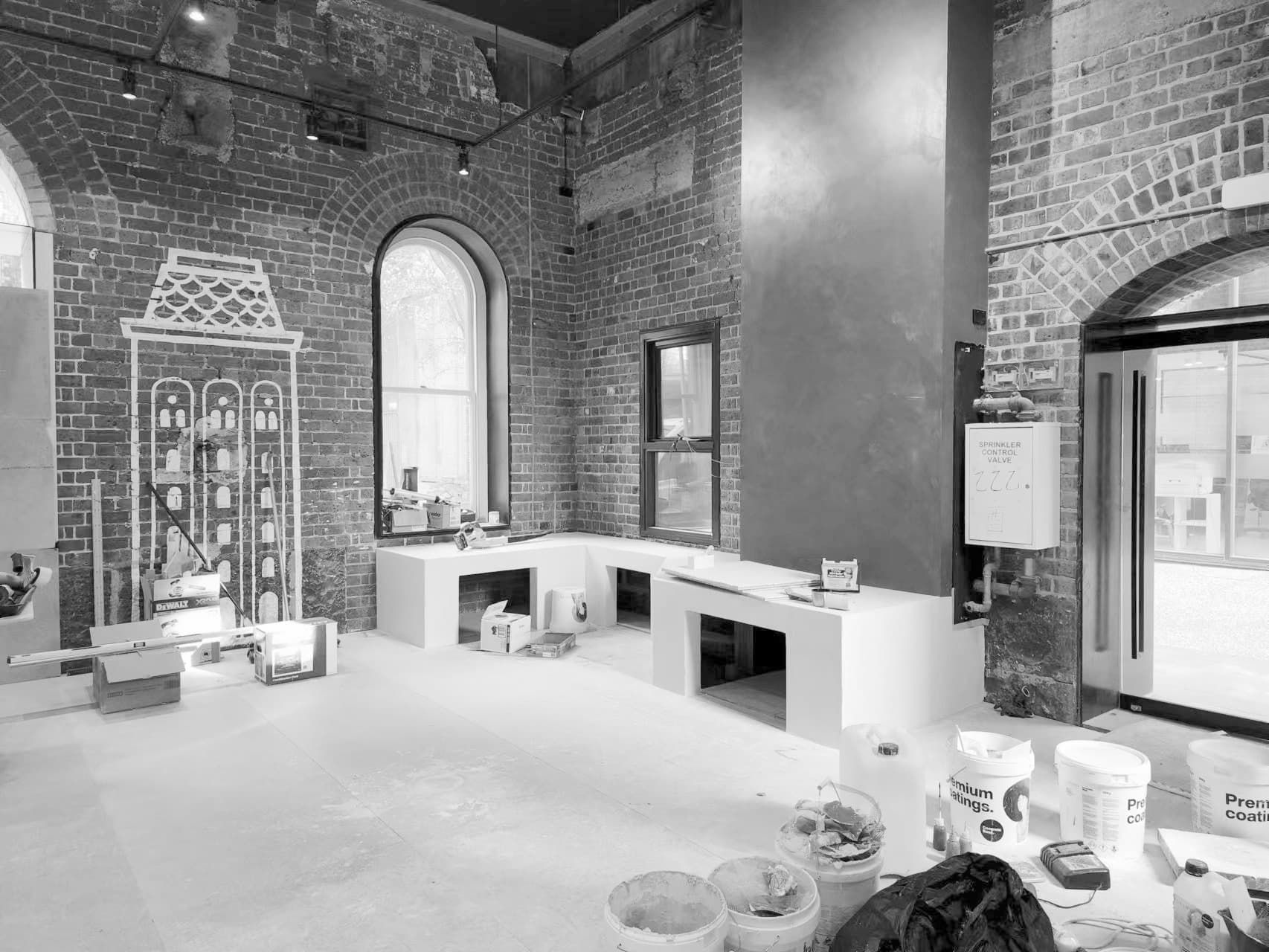
We were honoured to collaborate with SuiL Architects on the ULA Café project in Collingwood, Victoria, which has been featured on numerous global media platforms.
Technical reading
Before you specify.

Can you apply microcement over existing tiles?
Microcement's strong adhesion means it can often go straight over existing tiles. Here is what needs checking, how tiles are prepared and when removal is still the better option.

Can you install microcement over underfloor heating?
Microcement can go over underfloor heating, provided the base and heating are brought through a specific protocol first. Here are the steps, temperatures and ongoing care.
Is microcement waterproof? Sealing, wet areas and care
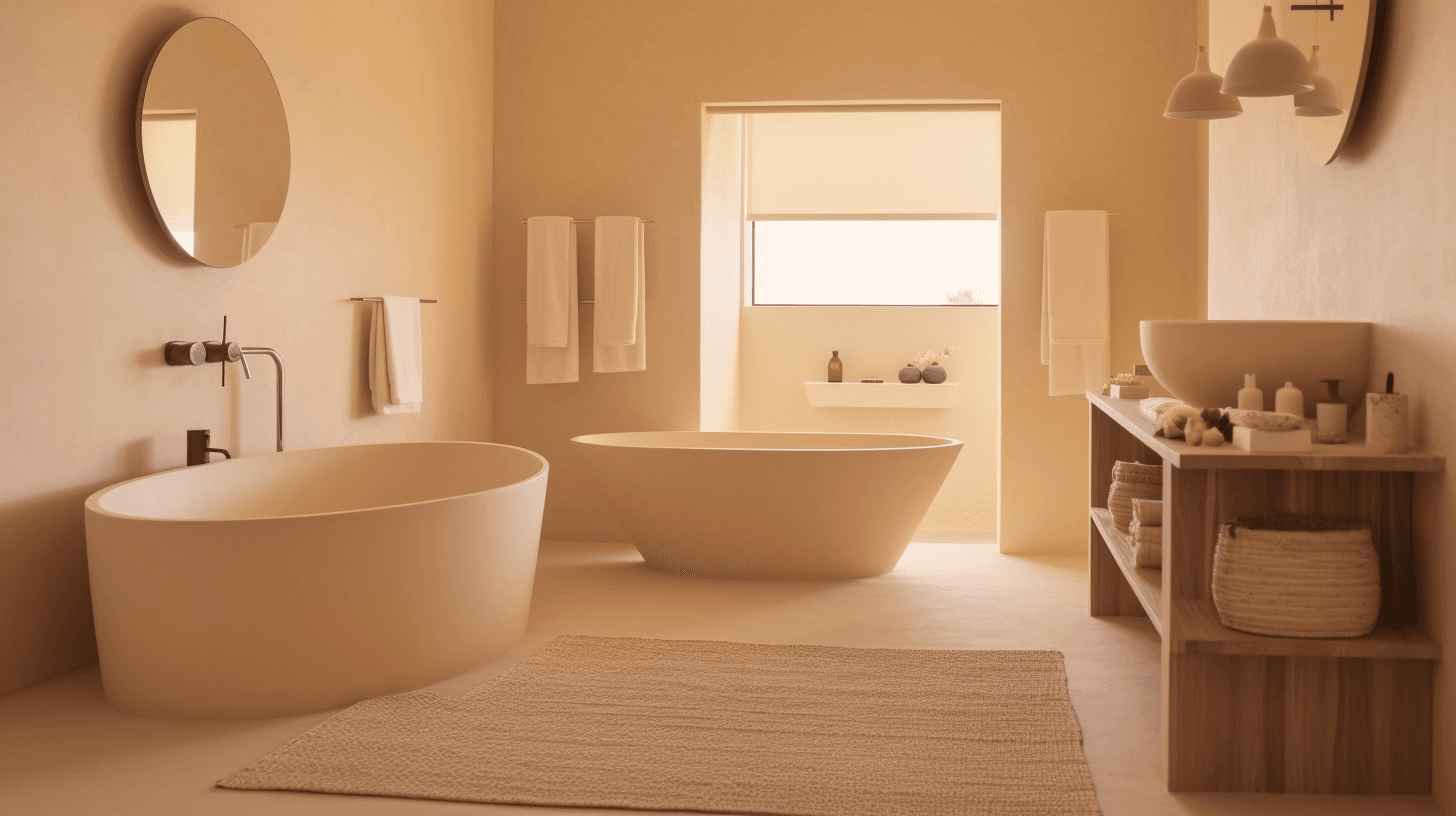
Microcement is water-resistant once correctly sealed, but it is not a waterproofing membrane. Here is what that means for bathrooms, showers, kitchens and laundries.