Surfaces
Microcement stairs
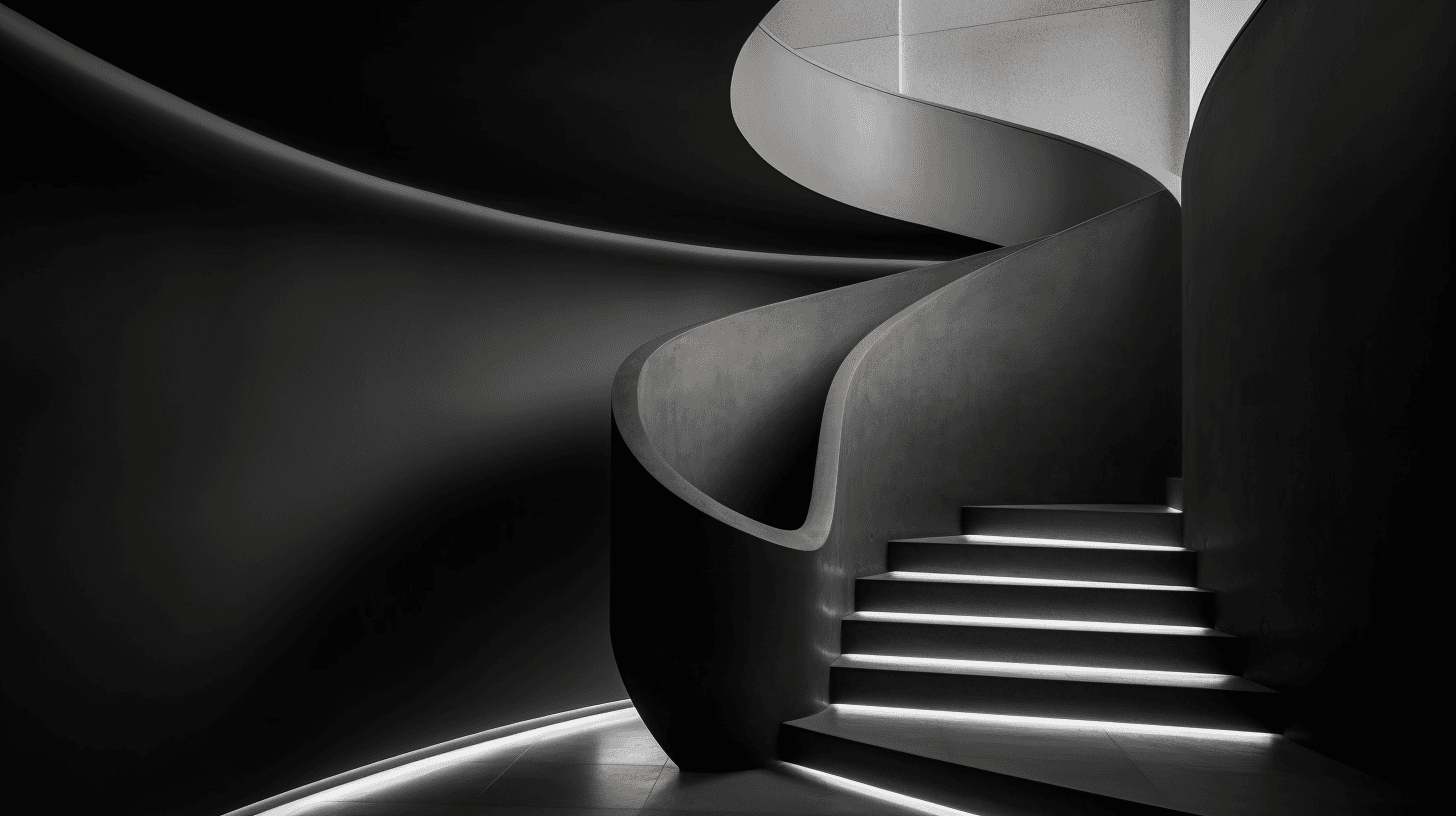
Microcement can finish treads, risers and stringers as one continuous surface, so a staircase reads as a single sculptural form.
In context
The application in context.
Because it is only 2–3 mm thick, microcement adds very little height to each step and little weight to the structure. It suits stable stairs with a suitable cement-based, tiled or metal substrate, and it can continue from the floors above and below so the whole circulation space shares one finish. Edge detailing, traffic and slip resistance are planned for each project.
One sculptural form
Treads, risers, stringers and solid balustrades can share a single finish, so the stair reads as one object rather than a series of parts.
Little added height or weight
The 2–3 mm finish adds almost nothing to each tread and minimal load to the structure.
Continuity between levels
The same finish can run from the lower floor, up the stair and across the landing, removing changes of material at each level.
Easy to keep clean
There is no carpet to hold dust and no grout on the treads, only a sealed surface that is swept and damp-mopped.
 Inspiration image
Why microcement suits stairs
Microcement stairs turn a functional element into a continuous architectural form. Treads, risers, stringers and solid balustrades can all be finished in one material, so the eye follows the line of the stair rather than the joins between its parts.
The thin build-up is a practical advantage. At 2–3 mm, microcement adds very little height to each step and little weight to the structure, which helps when an existing stair is being refinished rather than rebuilt.
Stairs are also where a change of material is most noticeable. Carpet, timber or tile on the treads often stops abruptly at each landing, whereas a continuous finish lets the stair and the floors around it read as one.
Which staircases are suitable
The key requirement is a stable, rigid structure. Cement-based stairs are common candidates, and existing tiled stairs can be suitable when the tiles are firmly bonded. Metal can also be a suitable substrate, provided the stair is rigid and does not flex underfoot. Solid balustrades can be finished with the treads for a monolithic look, while glass or metal balustrades and handrails are coordinated so their fixings meet the finish neatly.
Timber staircases are generally not advised as a base. Every stair is assessed for stability, level and humidity below 5% as the first stage of our process, and the article on microcement and cracking explains why movement matters.
Edges, traffic and slip resistance
The front edge of each tread takes the most wear on any staircase. Softened or rounded edges are generally more forgiving than sharp corners, and the edge detail is agreed before application so the finish wraps each tread cleanly.
On stairs, slip resistance comes down to texture, sealer and how the stair is used, and the requirement is set for each project with the builder or relevant professional. External stairs bring weather exposure into the picture, which is reviewed on site.
Colour and light on a staircase
Stairs are often lit from above or by a single window, and each tread catches the light differently, so colour and texture read strongly. Graphite and Gris Marengo give a stair sculptural weight, Plomo and Alaska keep a stairwell bright, and Centeno is a deep, warm brown that pairs well with timber handrails. Lighting set into the wall or beneath each tread is best positioned before work starts, because low light across a step highlights both its texture and its edges.
If the surrounding floors are also being finished, choose them together. The microcement floors page covers preparation and sheen for the areas around the stair, and you can compare samples on colours and textures.
Caring for microcement stairs
Sweep or vacuum treads regularly, because grit on a stair is ground in with every step. Damp-mop with a pH-neutral cleaner, avoid abrasive pads, and keep traffic light in the first week where possible while the finish continues to harden. The sealer on the busiest treads can be maintained over time, as the cleaning and maintenance guide describes.
Colour direction
Finishes to start with.
A starting palette for stairs. Compare physical samples in your own light before deciding.
Browse every finish




01Can microcement be applied to timber stairs?
Usually not directly. Natural wood moves as temperature and humidity change, and a stair assembled from many separate timber parts has even more joints that can shift, which can crack a thin finish. The options for a timber staircase are best discussed once it has been seen.
02Is a microcement staircase slippery?
It depends on the texture, the sealer and the way the stair is used. The builder or relevant professional confirms the slip resistance your project requires, and the finish is planned to suit.
03Can the stairs be used during the work?
Each layer needs time to dry, so a stair generally cannot be walked on while it is being finished. If it is the only access between floors, raise this early so the sequence and timing can be planned before work begins.
Keep exploring
Related applications.
 Inspiration image
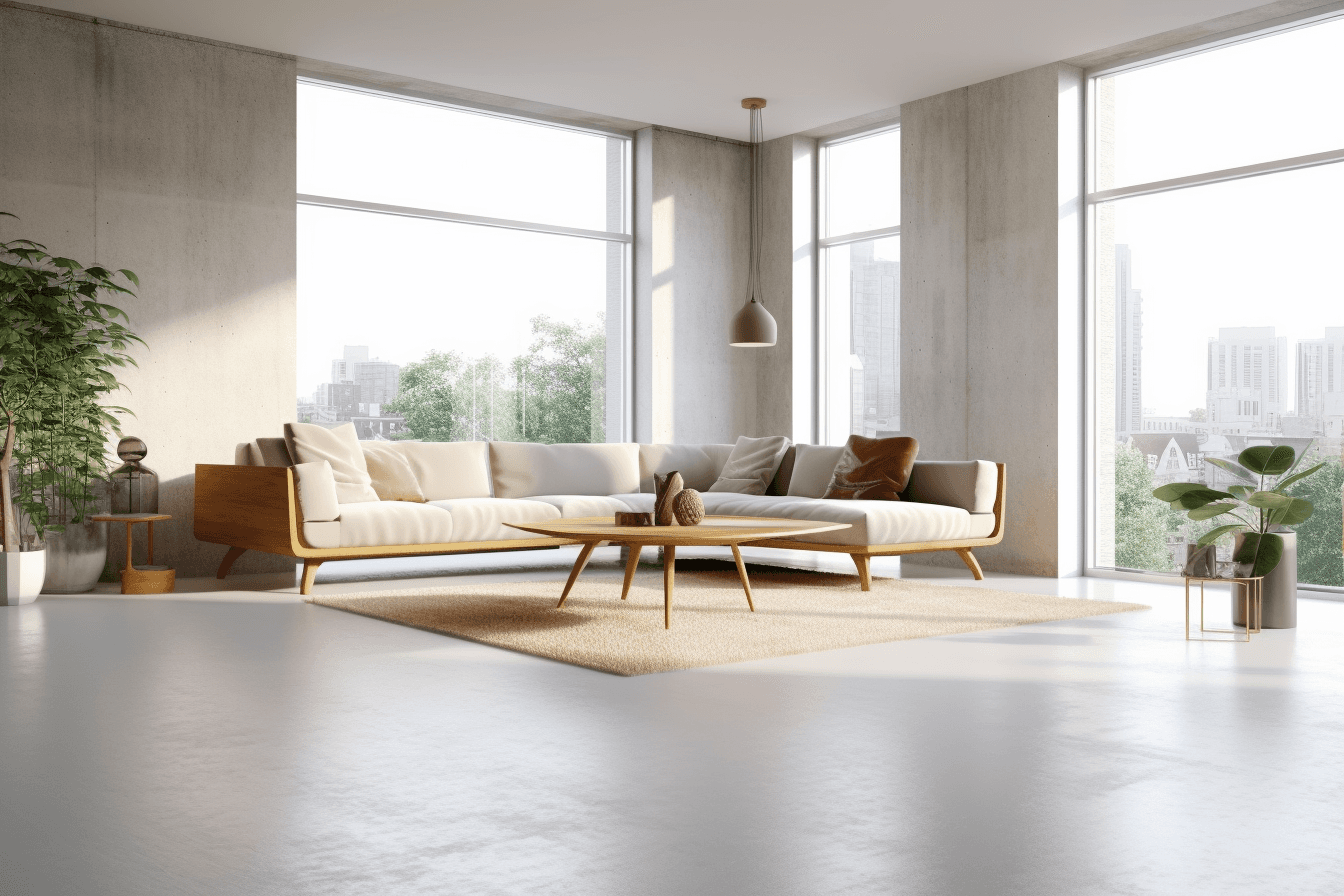
A microcement floor carries one continuous, sealed surface from room to room while adding only a few millimetres to the existing level.
 Inspiration image
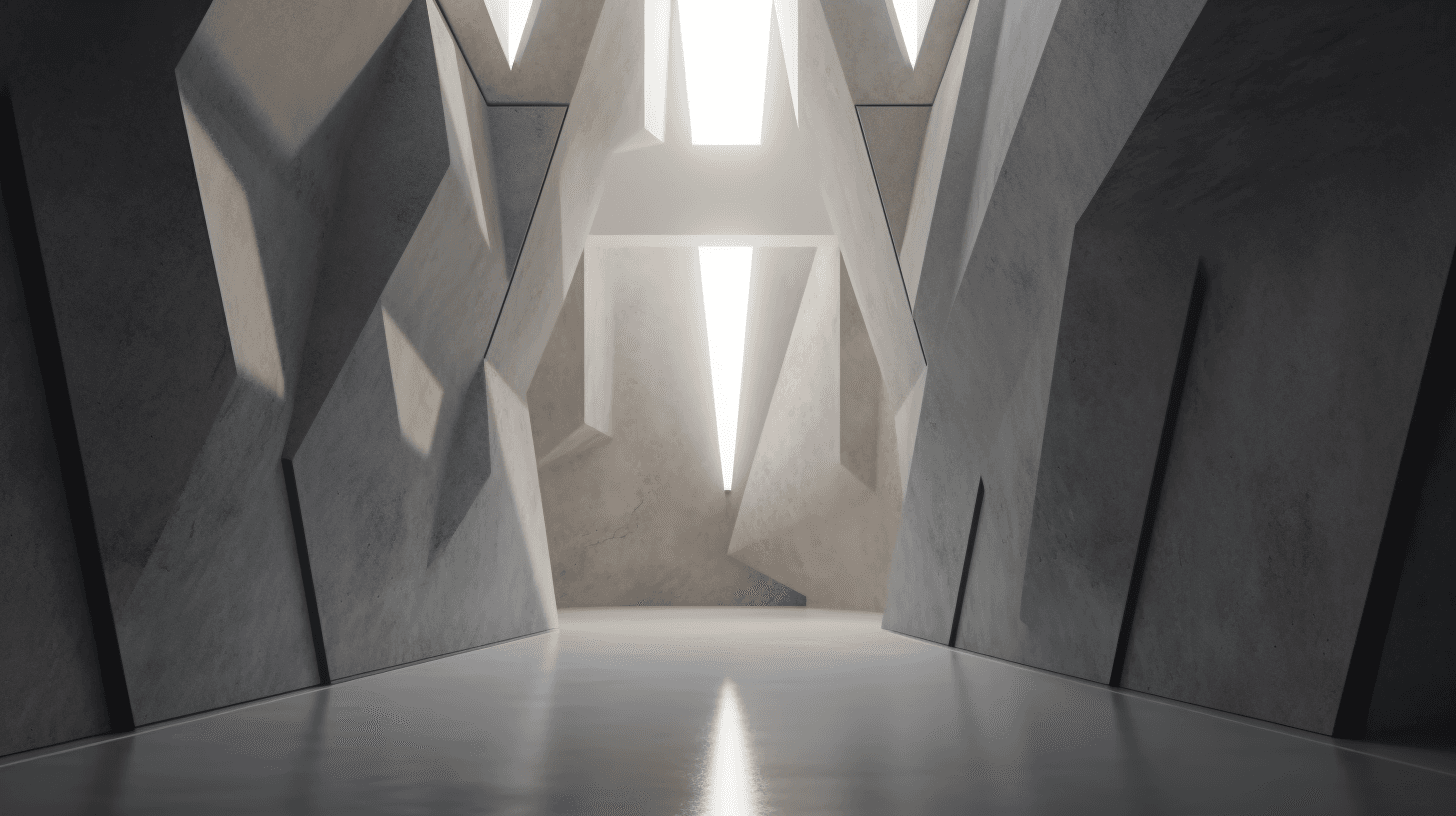
Microcement walls wrap a room in one continuous, hand-finished surface, from a single wall to every vertical plane, including curves and reveals.
- Inspiration image
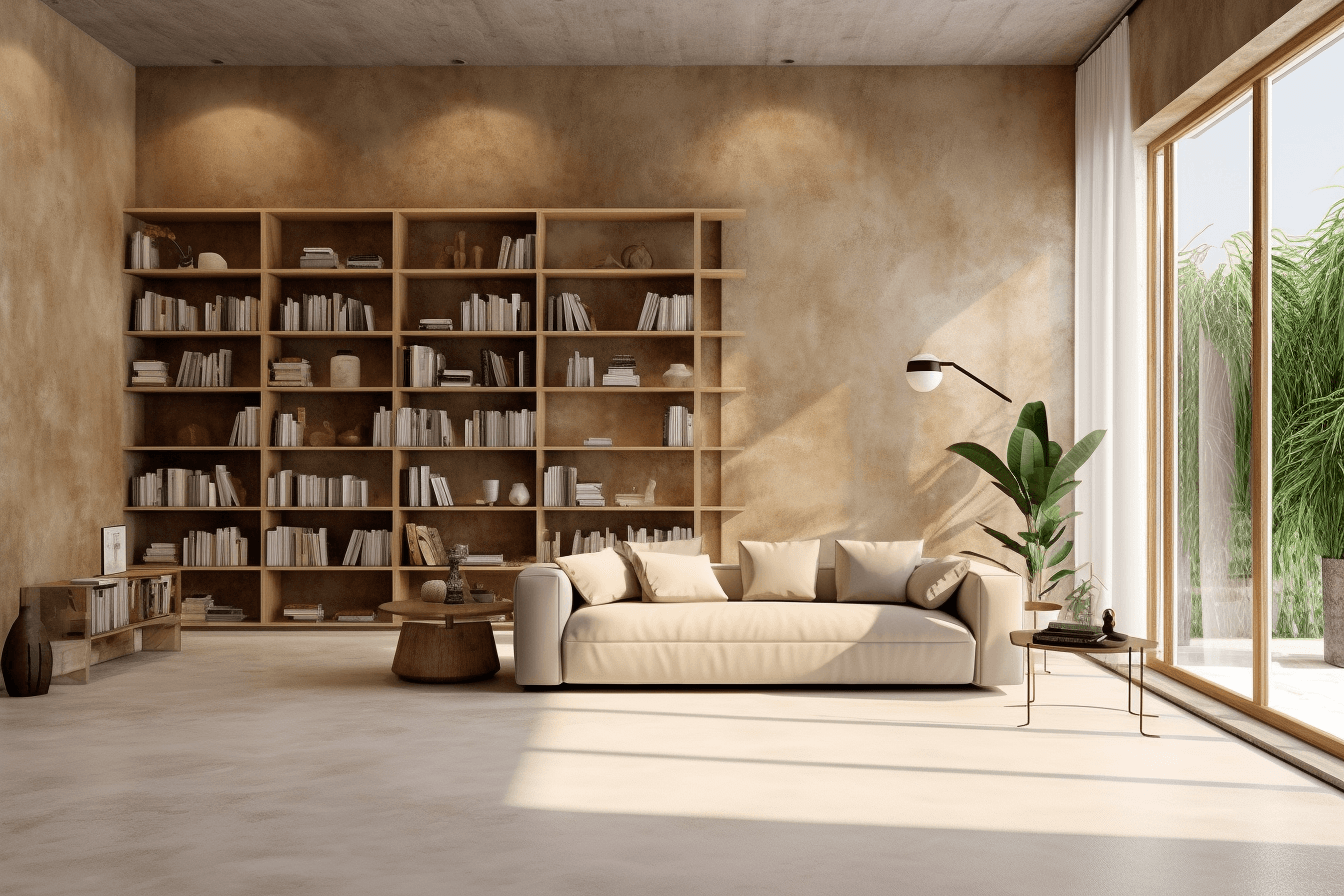
Living rooms benefit from a continuous, hard-wearing surface that keeps the interior visually calm and straightforward to clean.