Service area / Eastern Suburbs
Microcement in Melbourne's eastern suburbs
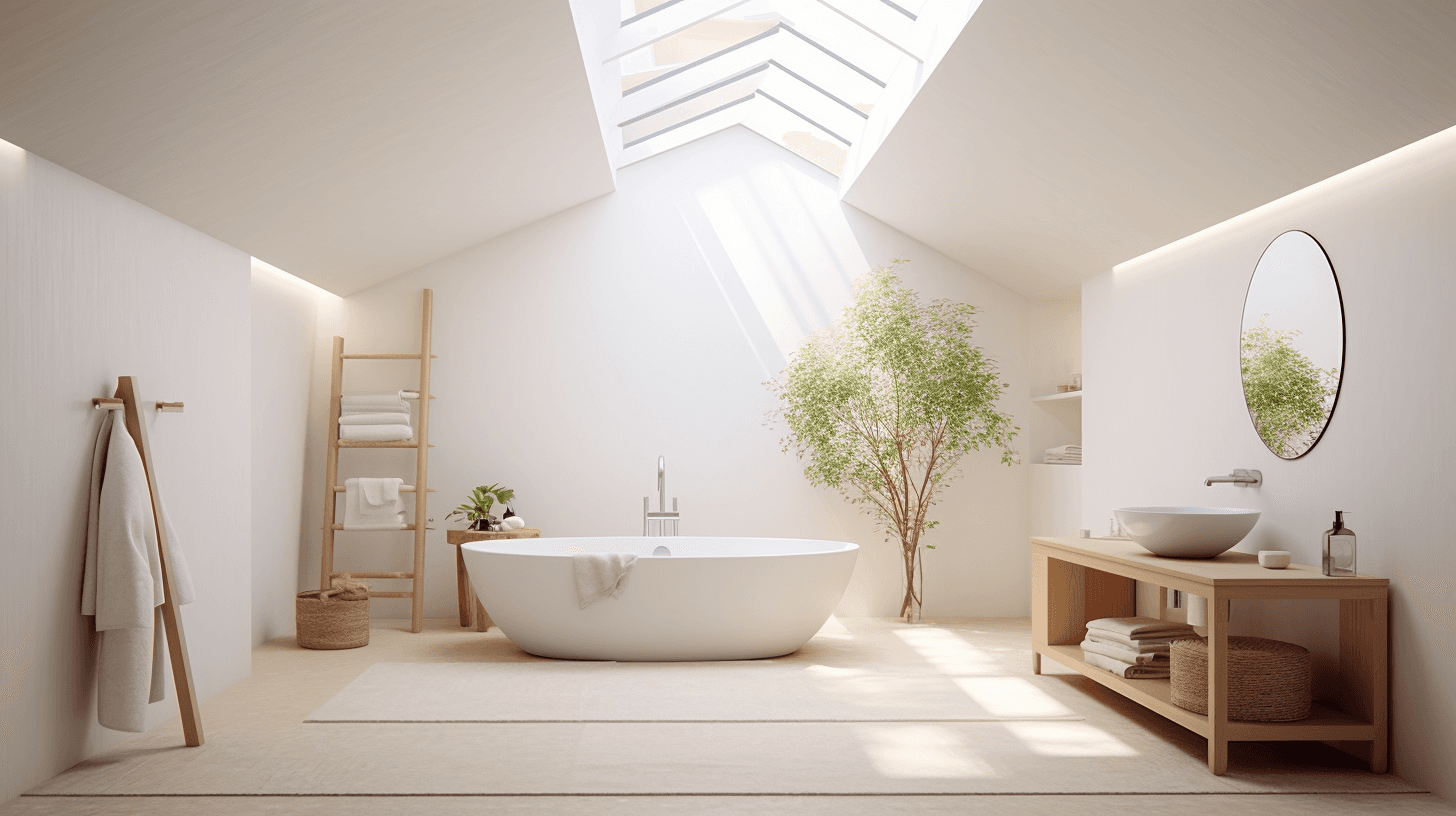
Microcement in Melbourne's eastern suburbs works especially well as a renovation finish, renewing bathrooms, kitchens and living areas in established homes without stripping them back to the frame. Because it can be applied over firmly adhered existing tiles, much of the demolition, noise and waste of a conventional renovation can be avoided.
Local highlights
Over existing tiles
Where tiles are firmly adhered and stable, they can stay in place, so a bathroom or kitchen update avoids most of the demolition a retile would involve.
Period and mid-century homes
A quiet, continuous finish sits comfortably beside original features, from Edwardian fireplaces to mid-century brick and timber.
Made for family life
Once sealed, microcement stands up to daily traffic, knocks and scratches, and a surface without grout lines is quick to wipe down.
Showroom along Burwood Highway
The Ferntree Gully showroom sits further out along Burwood Highway, and an enquiry with photos and plans is the practical first step.
Established homes from Kew to Ringwood
Much of the east is established housing. Kew, Hawthorn, Camberwell, Canterbury and Surrey Hills have many Victorian, Edwardian and interwar homes, Balwyn, Doncaster, Templestowe and Blackburn add post-war and mid-century houses, and suburbs further out, such as Vermont, Mitcham and Ringwood, have plenty of brick family homes from later decades.
In homes like these, the structure is usually sound but the bathrooms, ensuites, laundries and kitchens have dated. Microcement lets you keep what's solid underneath and renew the surface on top, at a total thickness of around 2–3 mm.
Renovations here are also often staged, one room at a time. Because microcement goes over suitable existing surfaces, each stage can be contained to the room in question, with less disruption to the rest of the house.
Box Hill and Glen Waverley add a growing number of apartments and townhouses to the mix. There, the thin build-up matters for a different reason: floor levels and door clearances are already set, and owners corporation rules may apply, so a finish that adds only millimetres keeps the work simple.
Microcement bathrooms and kitchens over existing tiles
Covering tiles rather than removing them avoids the slow, messy work of a strip-out. It only works when the existing surface is sound, so each room starts with a few checks:
- Tiles are firmly adhered and stable, with no loose or drummy areas
- Surfaces are level and free of dust, grease, soap residue and old coatings
- Moisture is below 5%, particularly where there has been a leak
- Wet-area waterproofing has been confirmed with your builder or relevant professionals, as microcement is a finish rather than a waterproofing membrane
Laundries are worth including in the conversation. They're usually small, tiled and hard-working, and finishing one alongside a bathroom keeps the preparation, layers and sealing to a single program of work.
In kitchens, the same approach can apply to splashbacks and suitable benchtops, and a continuous floor can run from the kitchen into the family room. See microcement kitchens, our bathroom renovation guide and our guide to whether microcement is waterproof.
Period character, mid-century lines and light
The east's older homes usually have a clear character, and the finish should respect it. In a period house, a warm, quiet tone can sit beside original joinery and the timber floors of adjoining rooms without competing. In a mid-century home, soft whites and greys suit broad windows and long horizontal lines.
Light varies widely between a south-facing Edwardian bathroom and an open-plan extension with a wall of glass to the garden. Colours shift with that light, so treat the colours and textures range as a starting point and compare physical samples before you decide.
Planning a microcement renovation in the east
Send the project address, photos of the existing surfaces and any plans or measurements through the contact page. If you have colours in mind, mention them too, so they can be discussed before the on-site assessment.
Every quote depends on the condition of the substrate, the complexity of the work and the project's requirements. As a general guide, application sits in the $160–$300 AUD per square metre range, including materials and labour, and the on-site assessment turns that range into a figure for your home.
Application typically takes 5 to 7 days, depending on size and complexity. If you're living in the house during the work, plan around the room being out of use for that time, and treat the new surface gently in the first week while it continues to harden.
Eastern Suburbs
Local questions.
01Do you work across the eastern suburbs, from Kew to Ringwood?
Yes. We service Melbourne and beyond, including Kew, Box Hill, Doncaster, Glen Waverley, Ringwood and the suburbs in between. Share the project address when you enquire so the site visit can be scheduled.
02Will microcement suit a period or mid-century home?
It can. A thin, continuous finish in a restrained colour sits quietly beside original features. The main limit is the substrate: microcement isn't advised over natural timber, so original floorboards are best left as they are.
03Can we stay in the house while the bathroom is being done?
Usually, as long as you have another bathroom to use. There's no rubble or major construction work, but the room being finished is out of action during application, which typically takes 5 to 7 days depending on size and complexity.
Across Melbourne
Other areas.
- 01Inner MelbourneMelbourne CBD, Carlton, Fitzroy, Collingwood
- 02Knox & Dandenong RangesFerntree Gully, Upper Ferntree Gully, Boronia, Bayswater
- 03South EastOakleigh, Clayton, Mulgrave, Wheelers Hill
- 04BaysideElwood, Elsternwick, Brighton, Hampton
- 05Northern SuburbsBrunswick East, Coburg, Northcote, Thornbury
- 06Western SuburbsFootscray, Seddon, Yarraville, Kingsville
- 07Mornington PeninsulaFrankston, Mount Eliza, Mornington, Mount Martha